Limit Orders
A limit order allows you to choose the price at which you want to buy or sell an asset. Instead of accepting the current market price, the order is executed only if the market reaches your specified price.
This can help traders avoid entering a position at an unfavorable price. However, there is no guarantee that a limit order will be filled if the market never reaches the selected price.
Stop Orders & Risk Management
Stop orders can help traders manage potential losses or protect profits. A stop order is triggered when an asset reaches a specified price and can then execute according to the order settings.
These tools can be useful during volatile markets, but they are not perfect. Fast price movements and limited liquidity can affect the final execution price.
Futures Trading
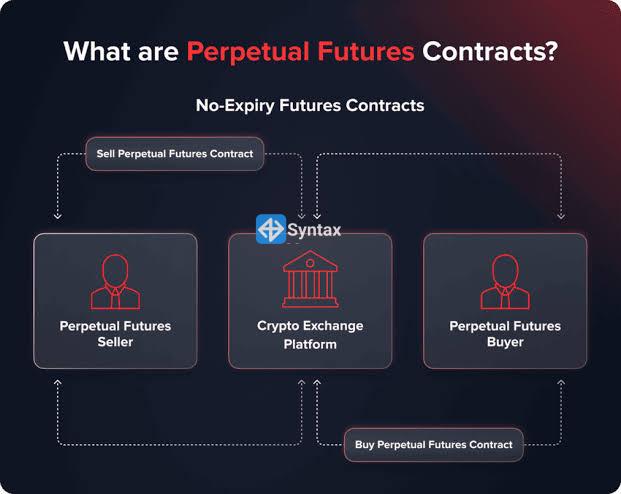
Futures allow traders to speculate on the future price of an asset without necessarily owning the underlying cryptocurrency. Some platforms also offer leverage, allowing traders to control a larger position with less capital.
However, leverage can magnify both gains and losses. A relatively small market movement in the wrong direction can result in significant losses or even liquidation. Beginners should understand how margin, funding fees, and liquidation work before considering futures.
Other Advanced Features
Depending on the exchange, traders may also find trading bots, recurring purchases, charting tools, staking, lending, and portfolio management features.
More tools do not automatically mean better results. Each feature should be understood before real money is committed.
The Bigger Picture
Advanced exchange tools can give experienced traders greater flexibility and control, but they also increase complexity. Limit orders and risk-management tools can support a disciplined strategy, while futures and leverage require much greater caution.
Learn one feature at a time, practice with small amounts when appropriate, and understand the risks before moving to more advanced trading methods.