What Is Community Allocation?
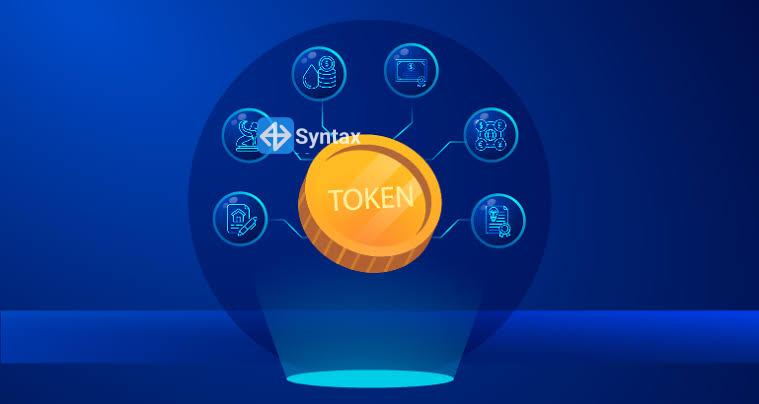
Community allocation is the percentage of a project's total token supply reserved for users through airdrops, incentives, ecosystem rewards, or governance programs. The exact amount varies from project to project and depends on factors such as tokenomics, funding needs, and growth strategy.
The goal is to distribute tokens fairly while supporting sustainable ecosystem development.
Benefits of Community Allocation
Allocating tokens to the community offers several advantages:
Reward early adopters
Encourage ecosystem participation
Increase decentralization
Strengthen community loyalty
Support long-term network growth
These benefits help create a more active and engaged user base.
Challenges to Consider
Allocating too many tokens may create selling pressure and dilute value, while allocating too few can discourage participation and reduce community engagement. Projects should design transparent tokenomics that balance incentives for users, developers, investors, and long-term ecosystem development.
The Future of Community Allocation
As blockchain ecosystems mature, community allocations are expected to become more data-driven and participation-focused. Future airdrops may reward governance activity, development contributions, liquidity provision, and long-term engagement instead of simple wallet ownership. By creating balanced token distributions, projects can strengthen decentralization and build sustainable communities that support long-term growth.