What Is Token Utility?
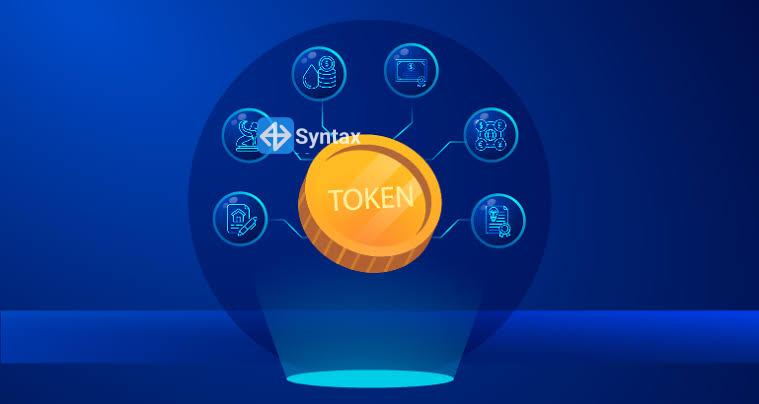
Token utility refers to the practical functions a token serves within a blockchain ecosystem. Airdropped tokens may be used for governance, staking, accessing premium features, paying transaction fees, earning rewards, or participating in community initiatives.
Meaningful utility gives users a reason to hold and actively use their tokens.
Benefits of Useful Rewards
Strong token utility offers several advantages:
Higher user retention
Increased ecosystem participation
Reduced selling pressure
Stronger community engagement
More sustainable token economies
These benefits help projects build healthier and more active communities.
Challenges to Consider
Creating genuine utility requires careful planning. Projects must ensure that token use cases provide real value rather than relying solely on speculation. Balancing incentives, token supply, and long-term adoption is essential for maintaining a sustainable ecosystem.
The Future of Token Utility
As blockchain ecosystems continue to evolve, airdropped tokens are expected to offer broader functionality through governance, decentralized finance, gaming, digital identity, and exclusive platform services. By rewarding users with tokens that have meaningful real-world applications, projects can encourage long-term participation and create ecosystems that thrive well beyond the initial airdrop.