What Is the Role of Tokenomics?
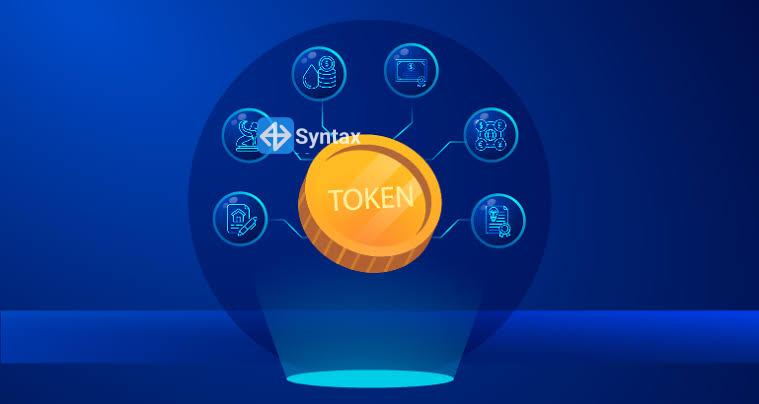
Tokenomics defines how a cryptocurrency is created, distributed, and used within an ecosystem. An airdrop should fit into this broader economic model by supporting adoption, governance, staking, or other utility while maintaining a balanced token supply.
Strong tokenomics help ensure that rewards contribute to the project's long-term vision.
Benefits of Aligned Airdrops
When rewards are integrated into a project's tokenomics, they can:
Encourage long-term holding
Increase community participation
Support decentralized governance
Improve token utility
Promote sustainable ecosystem growth
These benefits help create stronger and more engaged communities.
Challenges to Consider
Poorly designed airdrops can lead to excessive selling pressure, unfair token distribution, or low user retention. Projects should carefully balance reward size, eligibility criteria, vesting schedules, and overall token supply to maintain a healthy ecosystem.
The Future of Airdrop Tokenomics
As blockchain ecosystems mature, airdrop strategies are expected to become increasingly data-driven and utility-focused. Future token distributions may reward meaningful participation, governance involvement, developer contributions, and long-term engagement rather than simple wallet ownership. By aligning airdrops with clear tokenomics and project objectives, blockchain teams can build sustainable communities and create lasting value for their ecosystems.