What Are DAO Airdrops?
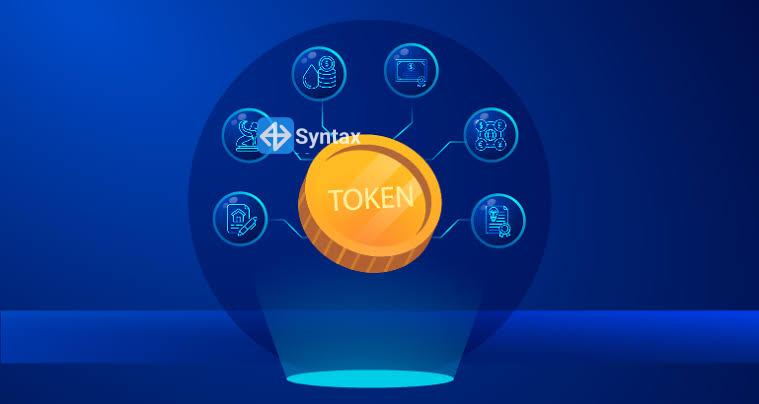
DAO airdrops distribute governance tokens to eligible users based on factors such as platform activity, community contributions, voting participation, or early adoption. These tokens give recipients the ability to vote on proposals and influence the future direction of the organization.
This approach encourages active involvement and shared responsibility within the DAO.
Benefits of DAO Airdrops
DAO-focused airdrops provide several advantages:
Broader governance participation
Fairer distribution of voting power
Stronger community engagement
Increased decentralization
Greater long-term commitment
These benefits help create more transparent and community-driven organizations.
Challenges to Consider
Projects must prevent token concentration, governance manipulation, and Sybil attacks while ensuring that voting power is distributed fairly. Encouraging informed participation is equally important, as effective governance depends on active and knowledgeable community members.
The Future of DAO Airdrops
As decentralized governance continues to mature, DAO airdrops are expected to incorporate reputation systems, delegated voting, and on-chain participation metrics to improve fairness. By rewarding meaningful contributions instead of simple token ownership, DAOs can build stronger communities, encourage responsible decision-making, and create governance systems that support sustainable ecosystem growth.