What Are Altcoins?
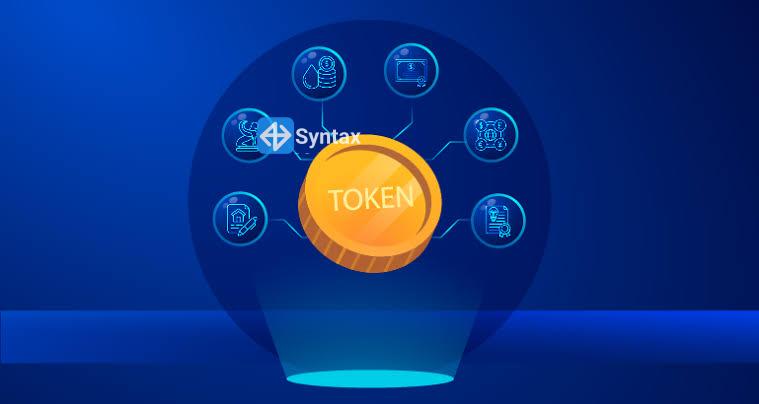
Altcoins include a wide range of cryptocurrencies with different purposes. Some operate as independent blockchain networks, while others are tokens built on existing blockchains.
They can be designed for payments, decentralized finance, smart contracts, gaming, governance, privacy, or other applications. This variety makes the altcoin market much broader than simply looking at Bitcoin alternatives.
Different Use Cases
Some altcoins are designed to support blockchain infrastructure. Others power decentralized applications or provide access to specific ecosystems.
For example, smart-contract platforms can allow developers to build applications on top of their networks, while utility tokens may provide access to particular services. Understanding what an altcoin actually does is an important part of evaluating it.
Potential Opportunities
Altcoins can give users exposure to new technologies and developing blockchain ecosystems. Smaller projects may introduce innovative ideas or specialized solutions that are different from established cryptocurrencies.
However, greater potential does not automatically mean better returns. Many projects fail to gain meaningful adoption, and some tokens can experience extreme price movements.
The Risks to Consider
Altcoins can be significantly more volatile and less liquid than major cryptocurrencies. Other risks include weak tokenomics, limited development, security vulnerabilities, concentrated ownership, scams, and projects that fail to deliver on their promises.
Before buying an altcoin, research its team, technology, token supply, utility, development activity, liquidity, and adoption. Don't rely solely on price performance or social media popularity.
The Bigger Picture
Altcoins have expanded the crypto ecosystem beyond digital payments, introducing new approaches to decentralized applications, finance, governance, and blockchain infrastructure.
Their opportunities and risks vary widely. Understanding the project behind an altcoin and not just its price can help you make more informed decisions in a market where innovation and uncertainty often go hand in hand.