Moving Beyond Digital Collectibles
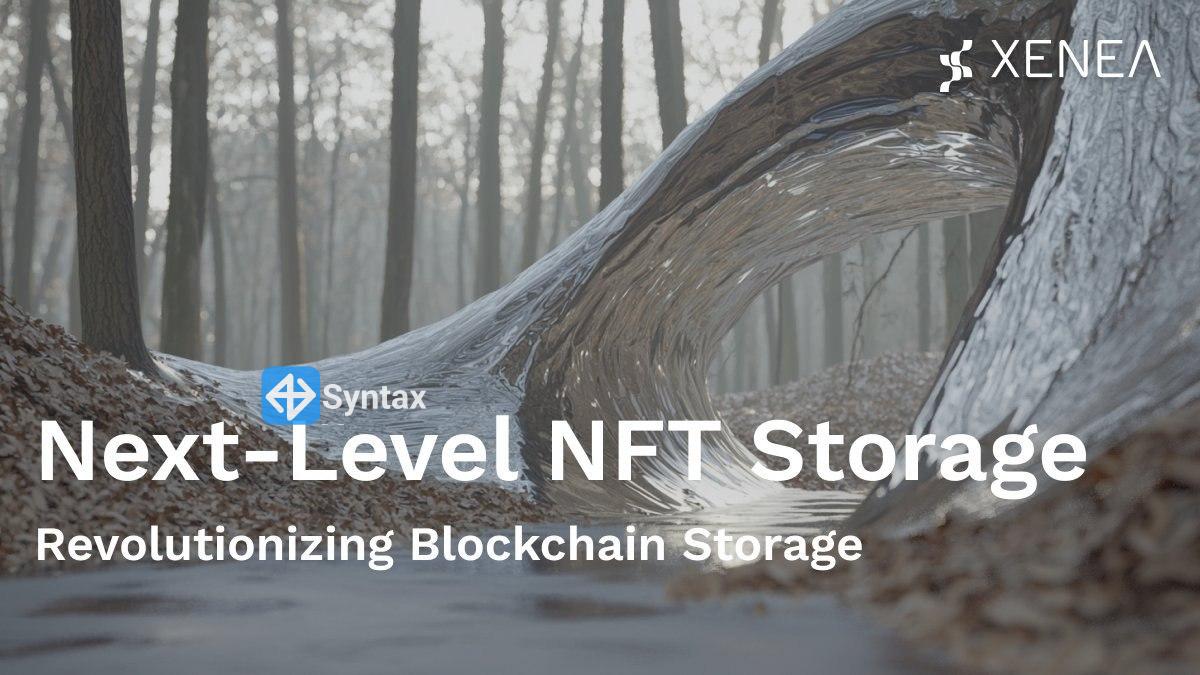
At their core, NFTs are unique digital assets that can represent ownership or rights to a specific item. This flexibility allows them to be applied to a wide range of industries and use cases beyond artwork and collectibles.
Organizations are experimenting with NFTs as a way to manage digital records, memberships, and authenticated assets.
Emerging NFT Applications
Several sectors are exploring practical NFT implementations:
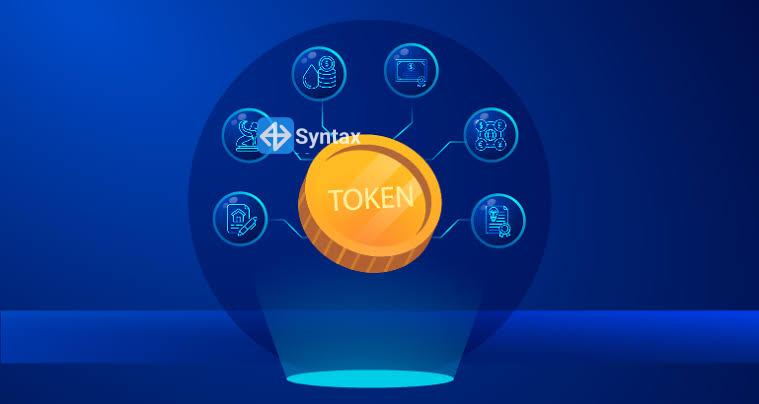
Digital identity verification
Event tickets and memberships
Intellectual property management
Educational certificates and credentials
Real-world asset ownership records
These use cases focus on utility rather than speculation.
Improving Ownership and Verification
One of the most promising aspects of NFTs is their ability to provide transparent ownership records. Blockchain-based verification can help individuals and organizations prove authenticity, track transfers, and reduce fraud.
This capability may become increasingly valuable as more assets and services move into digital environments.
Challenges to Overcome
Despite growing interest, widespread NFT adoption still faces obstacles. Scalability, regulatory uncertainty, user experience, and interoperability remain important challenges. Many potential users also require simpler tools before NFT-based systems can achieve mainstream acceptance.
Addressing these issues will be critical for long-term growth.
The Future of NFT Utility
The next major phase of NFT development may be driven less by collectibles and more by practical applications that solve real-world problems. From digital identity and credential management to asset verification and access control, NFTs offer a versatile framework for proving ownership and authenticity. As technology and infrastructure continue to improve, utility-focused NFTs could play a significant role in the future of digital interactions and online ownership.