The Problem With Traditional Systems
Conventional international payments rely on correspondent banking networks, manual reconciliation, and limited operating hours. Fees can be high, and delays are common.
Speed and efficiency remain major issues.
For global businesses, these inefficiencies create operational friction.
How Blockchain Improves Settlements
Blockchain networks allow transactions to be processed directly between participants without requiring multiple intermediaries. Transactions can settle in near real time, regardless of banking hours or geographic location.
This enables 24/7 financial activity.
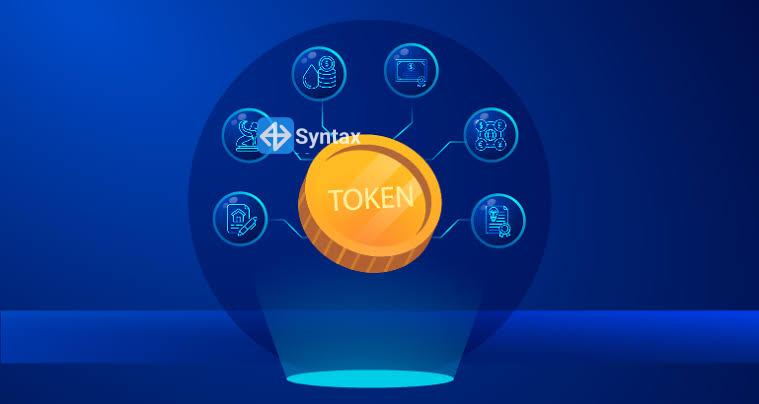
Stablecoins and tokenized assets are also helping reduce volatility during settlement processes.
Key Benefits
- Faster transaction speeds compared to traditional systems
- Lower costs through reduced intermediaries
- Greater transparency with immutable transaction records
- Continuous availability without banking-hour restrictions
These features make blockchain attractive for global finance.
Challenges to Widespread Adoption
Regulatory compliance, interoperability with existing banking systems, and concerns around scalability still need to be addressed. Governments and financial institutions also require clear legal frameworks before fully adopting blockchain-based settlement systems.
Trust and regulation remain essential.
The Future of Global Payments
Blockchain is reshaping how money moves across borders. While traditional systems are unlikely to disappear overnight, 24/7 blockchain settlements are becoming increasingly practical and mainstream. As infrastructure improves, global payments may become faster, cheaper, and more accessible than ever before.