Start With the Fundamentals
Before buying any cryptocurrency, learn what digital assets are and how blockchain technology works. Understand how decentralized networks record transactions and why cryptocurrencies such as Bitcoin and Ethereum serve different purposes.
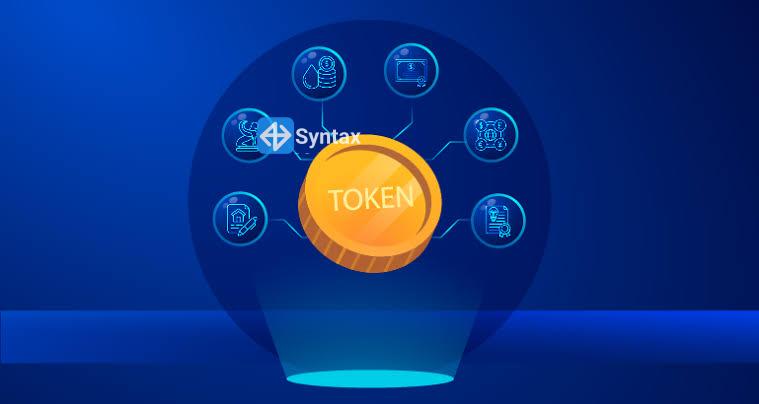
It is also important to distinguish between coins and tokens, understand stablecoins, and explore concepts such as decentralization, consensus mechanisms, and smart contracts.
Start with basic explanations from reputable educational resources. Focus on understanding the concepts rather than memorizing technical terms.
Learn How Wallets and Exchanges Work
Once you understand the basics, explore how people buy, sell, transfer, and store cryptocurrencies.
Crypto exchanges allow users to trade digital assets, while wallets help users manage the keys needed to interact with blockchain networks. Learn the difference between centralized exchanges and decentralized exchanges, as well as the advantages and risks of hot wallets and cold wallets.
Security should be a priority from the beginning. Understand private keys and recovery phrases, enable two-factor authentication where available, and learn how to recognize phishing attempts. Never share your recovery phrase or trust anyone promising guaranteed investment returns.
Understand Markets and Risk Management
Crypto markets can be highly volatile, so learning how they behave is essential. Study basic concepts such as supply and demand, market capitalization, trading volume, liquidity, and price charts.
You can gradually explore technical analysis and fundamental analysis. Technical analysis examines price and trading activity, while fundamental analysis considers a project's purpose, adoption, technology, and economic model.
Remember that no chart pattern or indicator can predict prices with certainty. Avoid making decisions based entirely on social media hype, and never invest money you cannot afford to lose.
Explore Web3, DeFi, and NFTs
After mastering the fundamentals, expand your knowledge into related areas. Decentralized finance (DeFi) uses blockchain applications to provide services such as lending and trading. NFTs represent unique blockchain-based tokens, while Web3 broadly describes an evolving ecosystem of blockchain-enabled applications and digital ownership.
Explore these topics at your own pace. Understanding the risks and practical uses of each technology is more valuable than chasing every new trend.
Build a Consistent Learning Habit
Follow reputable educational platforms, read project documentation, compare independent sources, and practice with small amounts or test networks before committing significant funds.
Be cautious of influencers, paid promotions, and online communities that promise quick profits. Learning to question claims and verify information is an essential skill in crypto.
The Bigger Picture
Building crypto knowledge is a gradual process. Start with blockchain fundamentals, learn how wallets and exchanges operate, develop an understanding of market risks, and explore more advanced topics as your confidence grows.
The goal isn't to become an expert overnight, it's to become an informed participant who can evaluate information, protect digital assets, and make decisions based on knowledge rather than hype.