With the rise of crypto and blockchain technology, a new path is emerging, one that could bring more fairness, speed, and transparency to how people repay and manage mortgages. Let’s explore how.
1. Decentralized Lending for More Access and Flexibility
One of the biggest challenges in the mortgage space is access. Traditional banks often reject applicants based on outdated credit models or lack of formal income documentation. Crypto-based lending platforms, however, use decentralized finance (DeFi) to allow users to borrow funds using their crypto assets as collateral.
Imagine being able to get a mortgage loan from a global lending pool, without needing approval from a single centralized bank. This gives more people access to fair terms and faster funding.
2. Smart Contracts for Automated Repayments
Smart contracts, self-executing agreements built on blockchain, can help simplify mortgage repayments.
Instead of relying on banks and paperwork, a smart contract could automatically collect and distribute mortgage payments. It could also adjust to changing interest rates, send real-time updates, and enforce terms without bias.
This reduces human error, delays, and hidden costs, making the repayment process more transparent and reliable.
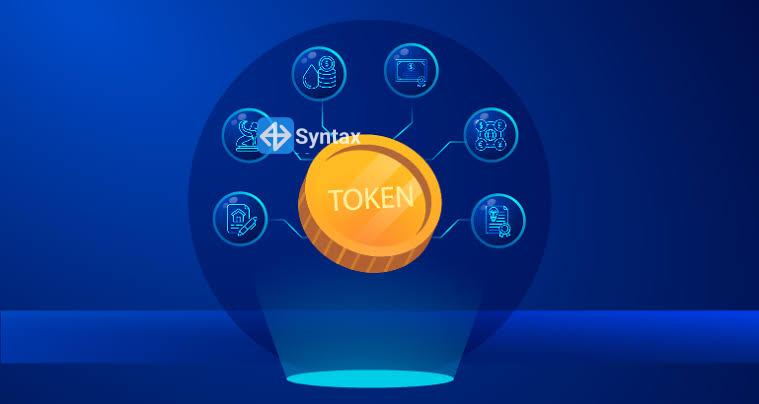
3. Tokenized Real Estate for Shared Ownership
Crypto can also enable fractional ownership of real estate through tokenization. This allows multiple people to invest in and co-own a property, lowering the entry barrier for buyers and spreading out repayment responsibility.
For homeowners struggling with repayment, selling partial ownership tokens of their home could provide liquidity, without needing to sell the entire house or take on high-interest loans.
4. Global Payments Without Banking Restrictions
Cross-border workers or crypto earners often face challenges repaying mortgages due to currency conversion fees or banking restrictions. With crypto, payments can be made instantly from anywhere in the world, in a currency that's borderless and efficient.
This is especially helpful for expats, remote workers, or those earning in digital assets.
5. Immutable Records to Prevent Fraud and Disputes
Blockchain’s transparent and unchangeable record-keeping can reduce mortgage fraud and legal disputes. Every payment, agreement, and update is permanently recorded on-chain, giving both lenders and borrowers peace of mind.
This trust layer is something traditional systems often lack.
While crypto won't replace the mortgage system overnight, it offers powerful tools to make it better. From DeFi loans and smart contracts to tokenized ownership and faster payments, blockchain could reshape how we buy homes and manage repayments, making the system more open, fair, and efficient for everyone.
As innovation continues, the question isn’t if crypto will impact mortgages, it’s how soon.