The Challenge of Digital Ownership
Traditional IP systems often rely on centralized databases, legal processes, and intermediaries to verify ownership.
This can create challenges related to:
Copyright enforcement
Licensing management
Revenue distribution
Ownership verification
Blockchain technology offers an alternative approach through transparent and immutable records.
How Crypto Supports IP Protection
Blockchain networks can record ownership information in a tamper-resistant manner.
Creators may use tokens and smart contracts to establish proof of creation, track transfers of rights, and manage licensing agreements more efficiently.
New Monetization Opportunities
Crypto-based systems enable creators to generate revenue in new ways, including:
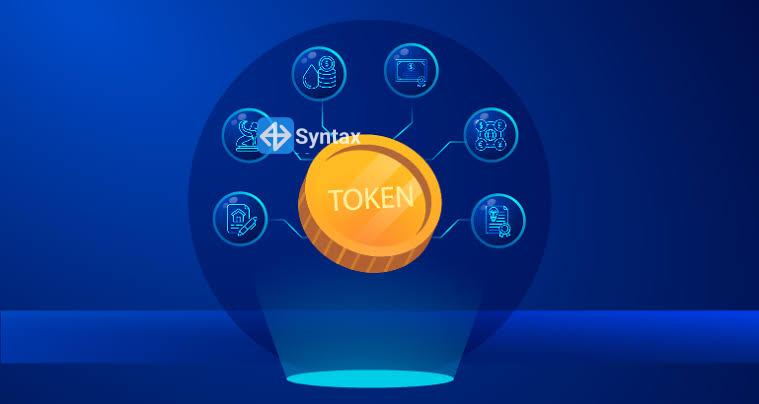
Tokenized intellectual property
Digital collectibles and NFTs
Automated royalty payments
Community-supported funding models
These tools can help creators retain greater control over their work and earnings.
Challenges Ahead
Legal recognition, regulatory compliance, and cross-border enforcement remain significant hurdles.
Blockchain records may help verify ownership, but traditional legal systems still play a crucial role in protecting intellectual property rights.
The Future of Digital Creativity
As blockchain infrastructure continues to evolve, crypto could become an important tool for managing and monetizing intellectual property. By combining transparent ownership records with automated payment systems, creators may gain new ways to protect their work while participating in a more efficient and globally connected digital economy.