Why Crypto Fits the Metaverse
Virtual worlds require digital systems for ownership, payments, and governance. Cryptocurrency provides a natural solution. It enables borderless, peer-to-peer transactions without relying on traditional banks. In a global digital environment, having a native digital currency makes economic interactions faster and more seamless.
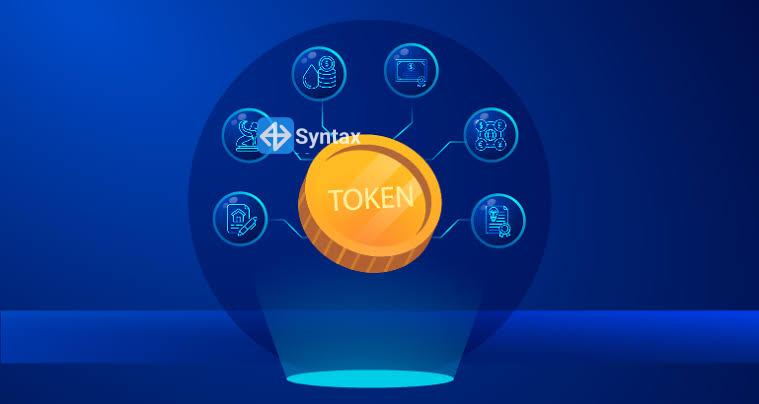
Blockchain technology also supports true digital ownership. Through tokens and NFTs, users can own virtual land, in-game items, avatars, and other digital assets. Unlike traditional gaming platforms where assets are controlled by companies, blockchain-based assets can be independently verified and transferred.
Building Virtual Economies
For a metaverse to function as a real economy, it needs more than just currency, it requires marketplaces, incentives, and governance systems. Cryptocurrencies can power decentralized marketplaces where users buy, sell, and trade virtual goods. Smart contracts can automate transactions, royalties, and revenue sharing.
Some platforms already use tokens to reward creators, encourage participation, and allow users to vote on community decisions. This creates economic systems that mirror aspects of the real world while operating entirely online.
Challenges to Overcome
Despite the promise, challenges remain. Crypto volatility can affect pricing stability in virtual economies. Regulatory uncertainty may also impact how digital assets are traded and taxed. Additionally, user adoption depends on improving accessibility and reducing technical complexity.