1. Understand Blockchain Technology
Blockchain is the technology behind many cryptocurrencies. It is a digital ledger that records transactions across a distributed network of computers.
Instead of relying on one central authority, blockchain networks use cryptographic methods and consensus mechanisms to verify transactions. This creates a shared record that participants can independently check.
Understanding how blocks, nodes, and consensus work provides a foundation for exploring more advanced crypto concepts.
2. Learn the Different Types of Digital Assets
Not all cryptocurrencies serve the same purpose.
Bitcoin: A decentralized digital currency designed for peer-to-peer value transfer.
Ethereum: A blockchain platform that supports smart contracts and decentralized applications.
Stablecoins: Digital assets designed to maintain a relatively stable value, often by referencing traditional currencies.
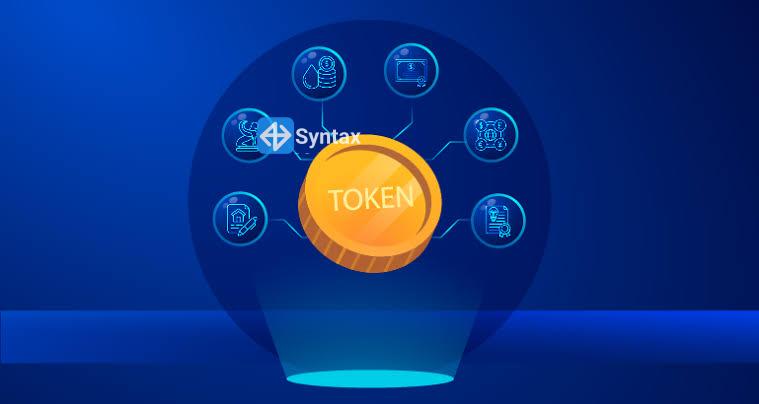
Utility Tokens: Tokens used to access services or features within a particular ecosystem.
NFTs: Unique blockchain-based tokens that can represent digital items, ownership records, or access rights.
Knowing these differences helps you understand the role each asset plays in the broader crypto market.
3. Master Wallets and Security
Owning cryptocurrency means taking responsibility for protecting access to your digital assets.
Crypto wallets manage the private keys that allow users to control their funds. Hot wallets connect to the internet, while cold wallets keep keys offline.
Learn how private keys, public addresses, and recovery phrases work. Use strong passwords, enable two-factor authentication, and never share your recovery phrase.
4. Understand Crypto Markets and Tokenomics
Before considering an investment, learn important market concepts such as market capitalization, liquidity, trading volume, supply, and volatility.
Tokenomics is equally important because it explains how a token is distributed, created, and used. Examine a project's utility, circulating supply, vesting schedule, and long-term economic model rather than focusing only on its price.
5. Explore Web3 and Emerging Technologies
Once you understand the basics, explore decentralized finance (DeFi), smart contracts, NFTs, Layer 2 networks, and decentralized applications.
These technologies demonstrate how blockchain can support financial services, digital ownership, online communities, and new forms of digital interaction.
However, remember that innovation also brings risks. Research projects carefully and avoid promises of guaranteed profits.
The Bigger Picture
Building a strong crypto foundation takes time, curiosity, and continuous learning. Start with blockchain fundamentals, understand digital assets, prioritize security, and gradually explore more advanced technologies.