Understanding Traditional Finance
Traditional finance, often called TradFi, includes banks, payment providers, stock exchanges, insurance companies, and other regulated financial institutions.
These organizations act as intermediaries, helping people manage money, access credit, and complete transactions. Traditional finance benefits from established infrastructure, customer support, consumer protections, and regulatory frameworks.
However, accessing certain services can involve paperwork, processing delays, transaction fees, and geographical restrictions. International transfers, for example, may require multiple institutions to process a payment.
The Rise of Cryptocurrency and DeFi
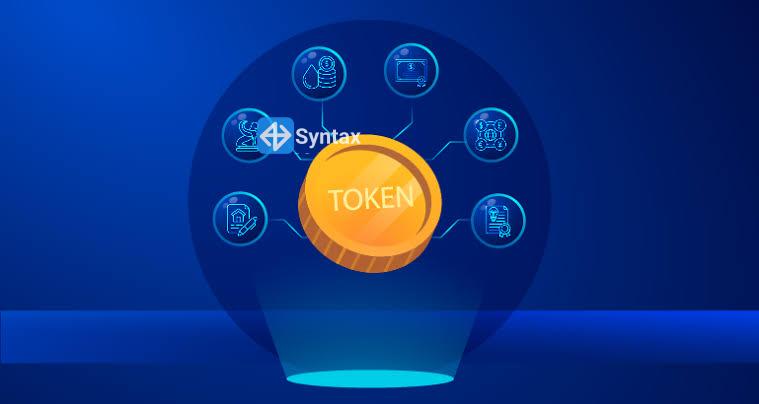
Cryptocurrency introduces a different approach to financial transactions. Using blockchain technology, digital assets can be transferred between users without requiring a traditional financial institution to manage every transaction.
Decentralized finance (DeFi) expands this concept by offering blockchain-based services such as lending, borrowing, trading, and liquidity provision through smart contracts.
These applications can operate continuously and may be accessible to anyone with a compatible wallet and internet connection. However, users must also manage risks such as price volatility, smart contract vulnerabilities, scams, and the loss of private keys.
Key Differences Between the Two Systems
Traditional finance generally relies on centralized institutions to manage accounts, verify transactions, and provide services. Crypto networks can distribute these responsibilities among network participants.
Ownership and access also differ. Bank customers typically access funds through accounts managed by financial institutions, while self-custody crypto users control their assets through private keys.
Neither system is automatically better in every situation. Traditional finance offers established protections and familiar services, while crypto can provide new forms of digital ownership and financial access.
How the Two Worlds Are Coming Together
The relationship between crypto and traditional finance is becoming increasingly interconnected.
Banks and financial institutions are exploring blockchain-based payment systems, tokenized assets, and digital custody services. Meanwhile, crypto platforms are developing tools that connect digital assets with traditional currencies and payment methods.
Stablecoins are another example of this connection. Designed to maintain a relatively stable value, they can support digital payments and trading while referencing traditional currencies such as the US dollar.
These developments may help make financial services more efficient, although adoption depends on technology, regulation, and public trust.
The Bigger Picture
Crypto and traditional finance are not necessarily competing to replace one another. Instead, their technologies and services may continue to complement each other.
Traditional finance brings established infrastructure and institutional experience, while blockchain introduces new possibilities for transparency, automation, and digital ownership.
The future of finance may not belong to one system alone, but to a world where traditional and decentralized technologies work together to create more accessible financial opportunities.