Centralized Exchanges Explained
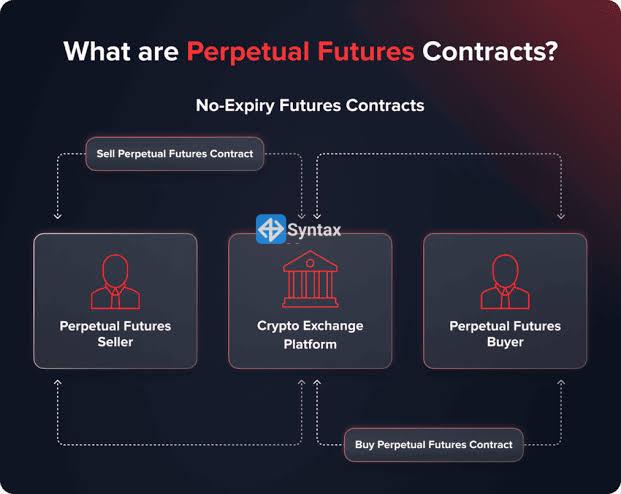
Centralized exchanges are operated by companies that act as intermediaries between buyers and sellers. Popular platforms offer user-friendly interfaces, high liquidity, and a wide range of trading tools. They often support fiat currency deposits, making them accessible for beginners.
However, centralized exchanges require users to trust the platform with their funds and personal data. Because users do not control their private keys, these exchanges are attractive targets for hacks and may be affected by regulatory actions or operational failures.
Decentralized Exchanges Explained
Decentralized exchanges operate on blockchain networks using smart contracts, allowing users to trade directly from their wallets. There is no central authority holding funds, giving users full control over their assets and greater privacy.
While DEXs reduce custodial risk, they can be more complex to use. Lower liquidity, higher transaction fees during network congestion, and the risk of smart contract bugs are common challenges, especially for new users.
Which One Should You Choose?
The choice depends on experience and goals. Centralized exchanges are ideal for beginners seeking convenience, liquidity, and customer support. Decentralized exchanges appeal to users who prioritize control, privacy, and trustless transactions.