How Crypto Is Changing Gaming
Traditional games often include virtual currencies, but these are typically locked within a single platform and controlled entirely by the game developer. Players may spend time or money earning in-game coins, yet they rarely have true ownership or the ability to transfer assets outside the game.
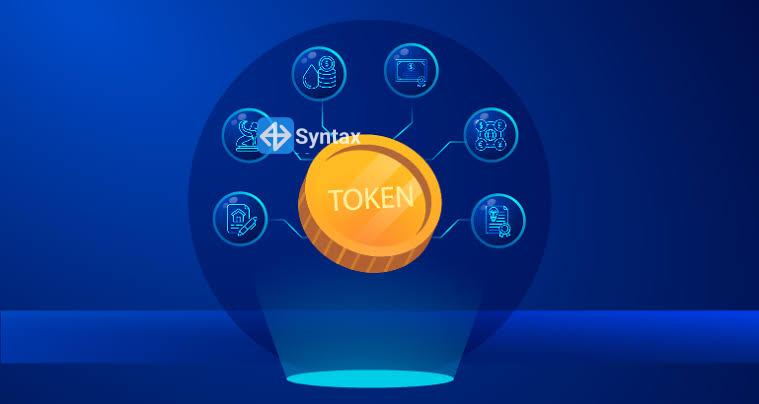
Cryptocurrency changes this dynamic. Blockchain-based in-game coins can be traded, sold, or transferred across compatible platforms. Through tokens and NFTs, players can own characters, skins, weapons, or virtual land with verifiable proof of ownership.
The Rise of Play-to-Earn Models
Crypto has also introduced the concept of “play-to-earn,” where players can earn tokens with real-world value by participating in games. This model allows gaming to become more than entertainment, it can also serve as a potential income source in some regions.
For developers, blockchain can create new revenue streams through token sales, marketplace fees, and royalties on asset resales.
Challenges and Criticism
Despite the excitement, crypto gaming faces challenges. Token price volatility can disrupt in-game economies, making rewards unpredictable. Some critics argue that financial incentives may overshadow gameplay quality. Regulatory concerns and technical complexity also limit mainstream adoption.