What Is Decentralized Crowdfunding?
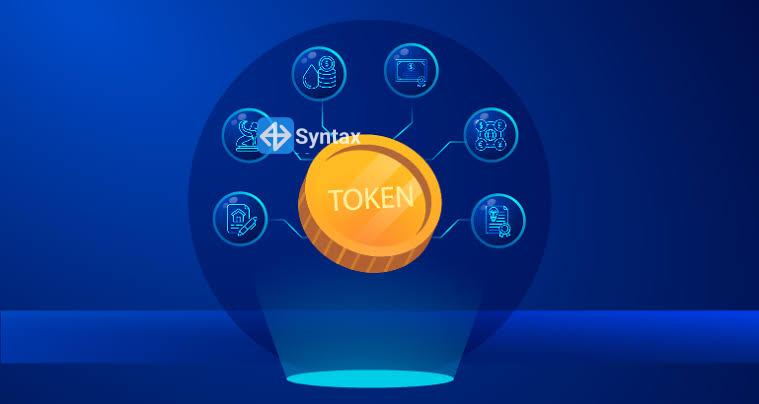
Decentralized crowdfunding is a blockchain-based fundraising model where individuals contribute directly to projects through smart contracts. Funds are managed transparently, and contributors can often receive tokens, governance rights, or other incentives in return.
This model enables faster, borderless fundraising while increasing trust between creators and supporters.
Benefits of Decentralized Crowdfunding
Decentralized crowdfunding provides several advantages:
Global access to investors
Lower fundraising costs
Transparent fund management
Faster capital distribution
Community-driven project support
These benefits help entrepreneurs and creators raise funding more efficiently.
Challenges to Consider
Despite its potential, decentralized crowdfunding faces challenges such as regulatory uncertainty, investor protection, project verification, and market volatility. Projects must also build strong community trust to attract long-term supporters.
The Future of Decentralized Crowdfunding
As blockchain infrastructure and digital identity systems continue to improve, decentralized crowdfunding is expected to support startups, creative projects, charitable initiatives, and real-world asset financing. With greater transparency, global accessibility, and reduced reliance on traditional financial institutions, decentralized crowdfunding has the potential to reshape how innovation is funded around the world.