What Is Decentralized Education?
Decentralized education uses blockchain networks and community-driven systems to manage educational platforms.
Instead of relying entirely on centralized institutions or companies, users, educators, and contributors can help shape the platform through decentralized governance.
Why It Matters
Community-owned learning platforms can offer several advantages:
- Greater accessibility
- Transparent credential systems
- Direct rewards for educators
- Global collaboration opportunities
Blockchain can also help verify certificates and academic achievements securely.
Expanding Use Cases
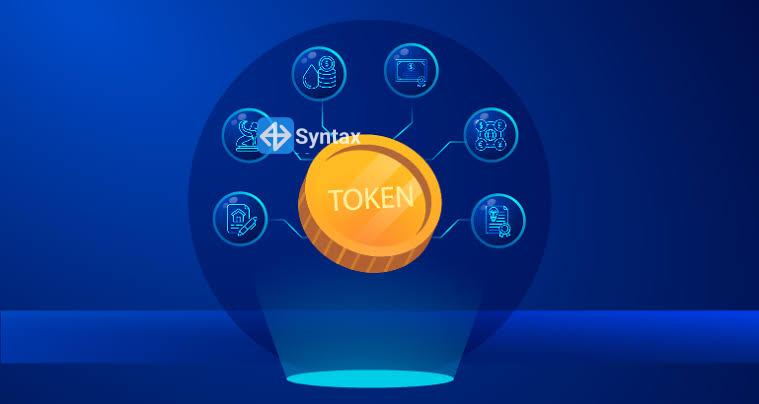
Some projects are exploring token-based incentives for students and teachers, while others focus on decentralized credential verification and open educational resources.
These systems aim to reduce barriers to learning and encourage global participation.
Challenges Ahead
Scalability, regulation, and content quality control remain important concerns.
Adoption may also depend on whether decentralized platforms can compete with established education providers and online learning companies.
The Future of Learning
As digital education continues expanding, decentralized platforms could become a growing part of the global learning economy. Community ownership and blockchain verification may help create more transparent, flexible, and accessible educational systems in the future.