What Is Decentralized Storage?
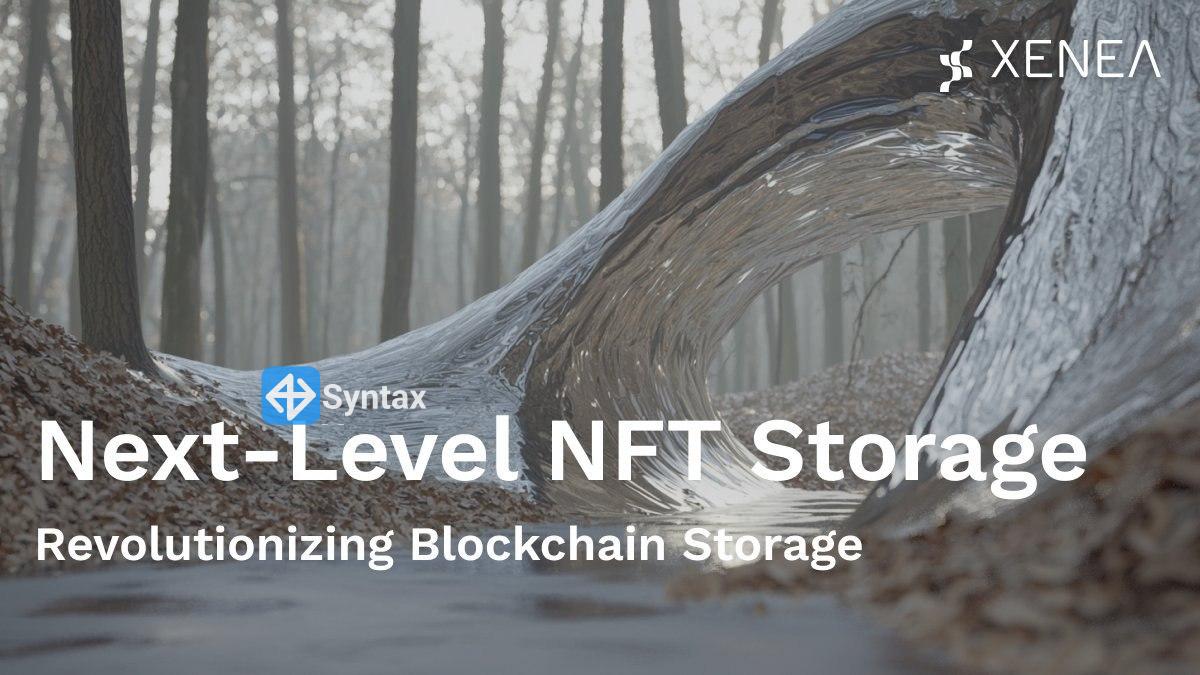
Decentralized storage uses blockchain-based or distributed networks to store files across many computers instead of centralized data centers.
Users can rent unused storage space or access distributed systems that reduce dependence on a single provider.
Why It Matters
Decentralized storage can provide several advantages:
- Greater data resilience
- Reduced single points of failure
- Improved censorship resistance
- Potentially lower infrastructure costs
It may also offer stronger privacy and user control compared to centralized cloud platforms.
Expanding Use Cases
Developers are exploring decentralized storage for websites, blockchain applications, media hosting, backups, and AI data infrastructure.
As Web3 ecosystems grow, demand for distributed storage solutions continues increasing.
Challenges Ahead
Scalability, speed, and user experience remain major challenges compared to traditional cloud providers.
Regulation, reliability, and enterprise adoption may also affect long-term growth.
The Future of Cloud Infrastructure
While decentralized storage may not fully replace major cloud companies immediately, it could become an important part of future internet infrastructure. Hybrid systems combining centralized efficiency with decentralized resilience may play a larger role in the evolution of global data storage.