What Is DEX Governance?
DEX governance refers to the systems and processes used to make decisions about how a decentralized exchange operates. Many platforms distribute governance tokens that allow holders to vote on proposals affecting the protocol.
These governance mechanisms aim to replace traditional corporate decision-making with community participation.
Key Decisions Governed by Communities
Governance participants may influence a wide range of protocol decisions, including:
Trading fee structures
Liquidity incentive programs
New feature implementation
Protocol upgrades
Treasury management
Voting outcomes can directly impact the platform's growth and competitiveness.
The Role of Governance Tokens
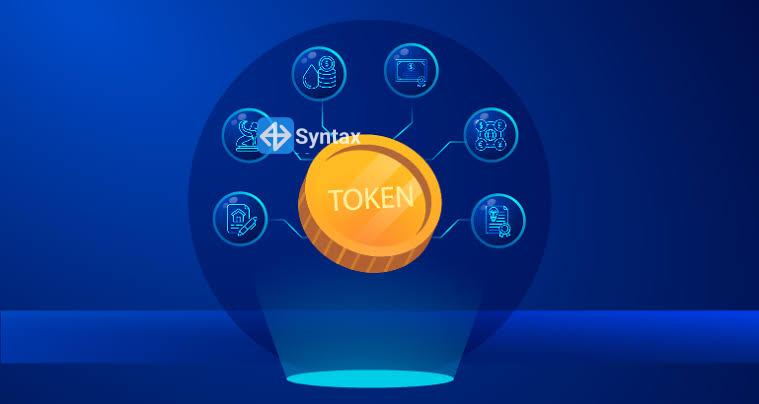
Governance tokens are commonly used to grant voting rights within a DEX ecosystem. Token holders can submit proposals, discuss changes, and vote on important decisions. In some systems, voting power is proportional to the number of tokens held.
This model encourages community involvement while aligning participants with the success of the platform.
Challenges of Decentralized Decision-Making
While decentralized governance offers transparency and participation, it also presents challenges. Large token holders may have significant influence over voting outcomes, and low voter participation can reduce the effectiveness of governance systems.
Projects must carefully design governance structures to balance efficiency, fairness, and decentralization.
The Future of DEX Governance
Governance remains one of the defining features of decentralized exchanges. By allowing communities to influence fees, features, and upgrades, DEXs can evolve without relying on centralized management. As decentralized finance continues to mature, governance models will likely become more sophisticated, helping communities make informed decisions while preserving the principles of openness and decentralization.