What Is Liquidity Mining?
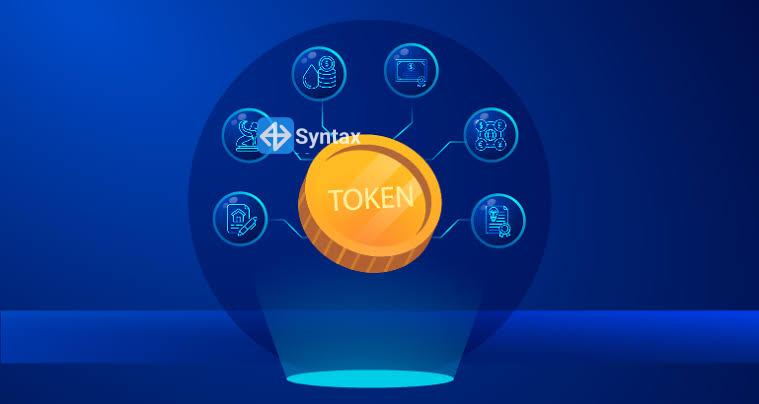
Liquidity mining is a process where users deposit assets into liquidity pools and receive rewards in return. These rewards are often distributed in the form of governance tokens or other incentives provided by the protocol.
The goal is to encourage users to supply liquidity, making trading more efficient and reducing price slippage for market participants.
Why Reward Models Are Changing
Early liquidity mining programs often attracted users seeking quick returns. While effective for rapid growth, these models sometimes led to short-term participation, with liquidity providers leaving once rewards declined.
To address this issue, many DEXs are exploring mechanisms that better align incentives with long-term platform growth.
New Approaches to Incentives
Modern liquidity mining programs may include:
Reward multipliers for long-term staking
Vesting schedules for earned tokens
Loyalty-based incentive structures
Governance participation rewards
Performance-based bonus distributions
These strategies aim to strengthen community commitment and reduce reward-driven capital migration.
Challenges to Consider
Designing sustainable reward systems remains difficult. Incentives must be attractive enough to encourage participation while avoiding excessive token inflation. Projects must also balance the interests of liquidity providers, traders, and governance participants.
Finding the right equilibrium is essential for long-term protocol health.
The Future of Liquidity Mining
Liquidity mining continues to play a critical role in decentralized exchanges, but its structure is evolving. Rather than focusing solely on attracting capital, newer models seek to reward users who actively contribute to the growth and stability of a platform over time. As DeFi matures, long-term incentive mechanisms may become a key factor in building stronger and more resilient decentralized trading ecosystems.