New Trading Features
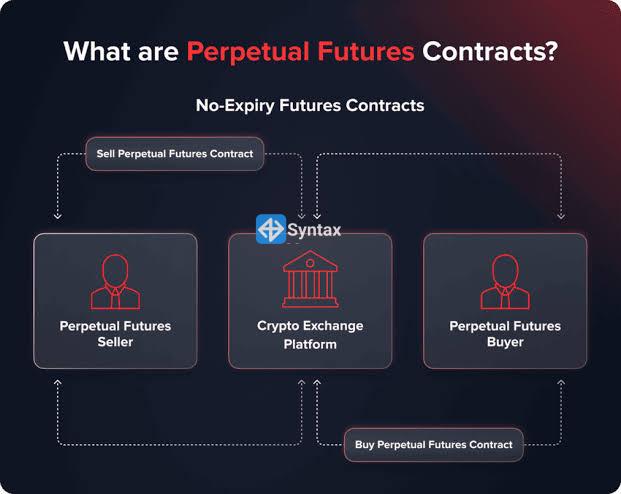
Exchanges regularly add new order types, charting tools, trading pairs, and automated features. Some platforms are also expanding beyond basic spot trading into derivatives, staking, lending, and other financial products.
These upgrades can make trading more convenient, but they can also introduce additional risks. Traders should understand how a new feature works before using it with real funds.
Security Improvements
Security should be one of the most important areas to watch. Exchanges may introduce stronger two-factor authentication, improved withdrawal controls, wallet protection, and better systems for detecting suspicious activity.
Users should also pay attention to their own security settings. An exchange can provide strong protection, but account security still depends partly on the user's habits.
Fees and Trading Costs
Changes to fee structures can have a direct impact on trading results. Exchanges may adjust maker and taker fees, withdrawal costs, or incentives for certain users.
Before increasing trading activity, check the current fee schedule. A strategy that looks profitable before fees may produce very different results after transaction costs are included.
New Assets and Regulatory Changes
New token listings can create opportunities, but being listed on an exchange does not automatically make an asset a good investment. Traders should research the project, liquidity, and risks before buying.
Regulatory changes are also important. Exchanges may change available products, verification requirements, or supported regions as rules develop.
The Bigger Picture
Exchange upgrades can improve the trading experience, but more features do not always mean better results. Traders should focus on security, costs, usability, and whether a new feature actually supports their strategy.
The best approach is to stay informed, read official exchange announcements, and understand changes before putting money at risk. A little preparation can make new exchange features much easier to navigate.