How Fractionalized NFTs Work
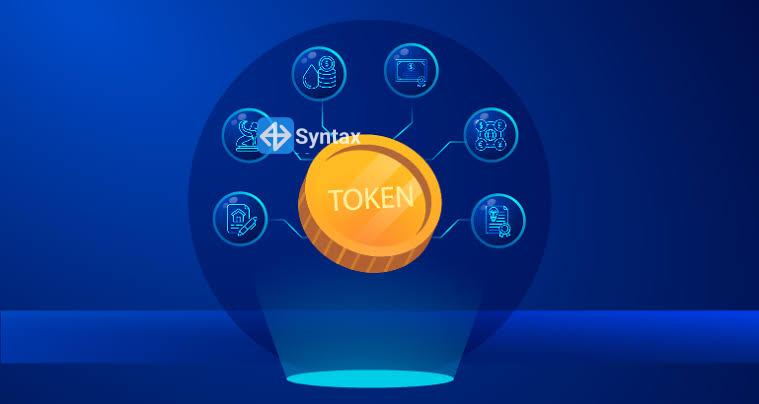
Fractionalization involves locking an NFT into a smart contract and issuing multiple tokens that represent partial ownership of that asset. These fractions can then be bought, sold, or traded on secondary markets, similar to shares in a company. Instead of purchasing an entire NFT, users can own a percentage of it.
This model opens the door for collective ownership of expensive digital art, virtual real estate, or rare collectibles. It lowers the financial barrier to entry and allows smaller investors to participate in assets that would otherwise be unattainable.
Benefits and Potential Risks
One major advantage of fractionalized NFTs is increased liquidity. High-value NFTs can be difficult to sell quickly due to their price. Dividing them into smaller units can create a more active market and broaden participation.
However, fractional ownership introduces complexity. Governance decisions, resale conditions, and disputes over the underlying asset can become complicated. Regulatory considerations may also arise, as fractional tokens could resemble traditional securities in certain jurisdictions.
Expanding Access to Digital Ownership
Fractionalized NFTs represent an effort to make digital asset markets more inclusive. By spreading ownership across multiple participants, they align with the broader Web3 goal of decentralization and shared access.
While not without challenges, fractionalization has the potential to reshape how people invest in and interact with high-value NFTs. If implemented carefully and transparently, it could make premium digital assets more accessible to a global audience.