More Than Crypto Trading
Future exchanges may become financial superapps, bringing multiple services into a single account. Trading, payments, lending, event markets, and access to traditional assets could increasingly exist alongside cryptocurrency markets.
This could make exchanges more convenient, but it also means users will need to understand the different risks associated with each product.
Stablecoins & Faster Payments
Stablecoins are becoming an important part of crypto infrastructure, moving beyond trading into payments, settlement, and money transfers. Exchanges are likely to expand stablecoin services as businesses and institutions look for faster, potentially more efficient ways to move value.
This could make exchanges less focused on speculation and more connected to everyday financial activity.
Tokenized Assets
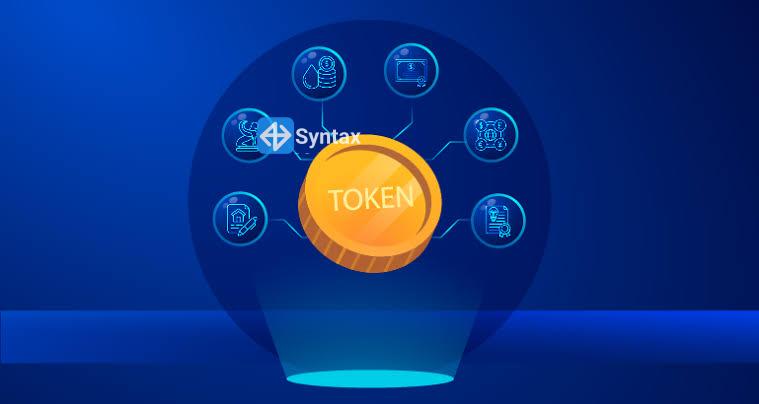
Another major trend is tokenization, bringing assets such as securities and other financial instruments onto blockchain networks.
As tokenization develops, exchanges could offer access to a wider range of digital and traditional assets, potentially creating markets that operate beyond conventional trading hours.
AI & Smarter Platforms
Artificial intelligence could also change how people interact with exchanges. AI-powered tools may help users analyze markets, monitor portfolios, identify unusual activity, and automate certain tasks.
However, automation won't eliminate market risk. Users will still need to understand what an AI system is doing before relying on its recommendations or strategies.
Regulation & Security
As exchanges become more closely connected to traditional finance, regulation and security will become even more important. Regulators are increasingly focusing on licensing, custody, investor protection, and market structure.
Future exchanges will likely compete not only on fees and trading features, but also on transparency, compliance, liquidity, and security.
The Bigger Picture
The next generation of crypto exchanges could look very different from today's platforms. Instead of being places that simply buy and sell cryptocurrencies, they may become gateways connecting crypto, traditional finance, stablecoins, tokenized assets, and blockchain-based services.
The winners may be the platforms that combine innovation with strong security, clear regulation, and an easy user experience. For users, understanding the products and risks will remain just as important as having access to them.