What Is a DAO?
A Decentralized Autonomous Organization (DAO) is a community that coordinates around a shared mission using blockchain-based tools and smart contracts. Members can submit proposals and vote on decisions, while DAO treasuries can be managed according to predefined rules.
Who Gets to Vote?
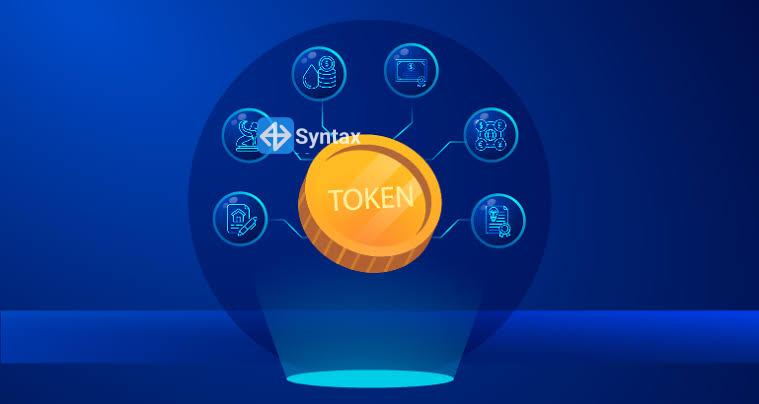
Many DAOs use governance tokens to determine voting power. In some systems, holding more tokens means having more influence, while others use delegation or reputation-based systems.
Delegation allows token holders to give their voting power to representatives who participate in governance on their behalf.
On-Chain vs. Off-Chain Governance
Governance can happen on-chain, where votes and approved actions are recorded and potentially executed through smart contracts. It can also happen off-chain, through community discussions and coordination before developers implement an agreed change. Ethereum itself uses a largely off-chain governance process.
The Challenges of Decentralized Decisions
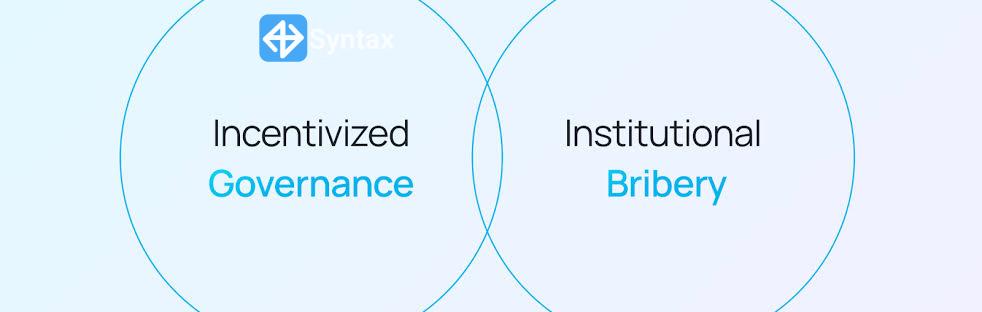
Decentralization does not automatically mean that everyone has equal influence. Token concentration, low voter participation, and coordinated groups can affect outcomes. Governance systems can also face attacks where participants acquire voting power to benefit themselves.
The Bigger Picture
DAOs are experimenting with new ways to coordinate money, communities, protocols, and digital organizations without relying entirely on traditional management structures.
The important question is not simply who owns the most tokens, but how a governance system distributes influence, protects participants, and turns community decisions into effective action.