1. Understand the Project's Purpose
Start by asking one simple question: What problem does this project solve?
Read its whitepaper, official website, and documentation to understand its technology, goals, and intended audience. Look for a clear explanation of how the project works and why its solution is useful.
Be cautious of projects that rely on impressive promises but cannot explain their actual purpose or demonstrate a working product.
2. Research the Team and Community
A project's development team can provide important clues about its credibility. Check the founders' backgrounds, previous experience, and involvement in other projects.
Explore its official social media channels and community discussions. Look for genuine development updates, meaningful conversations, and transparent communication.
Remember that a large number of followers or positive comments does not automatically prove legitimacy. Some projects artificially inflate their popularity.
3. Examine Tokenomics and Market Activity
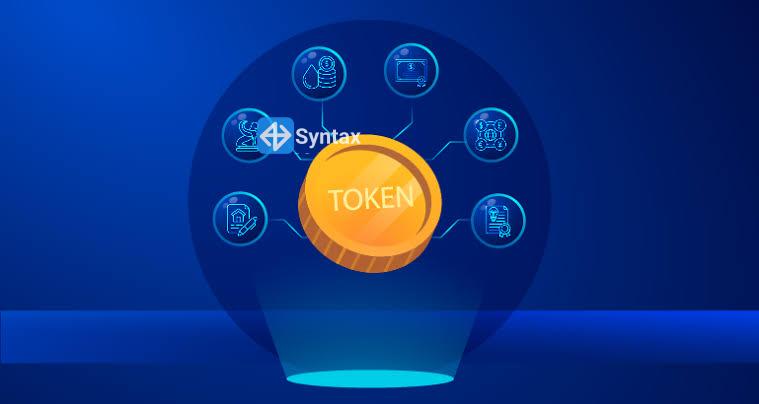
Before considering a token, understand its economic structure.
Check its circulating supply, maximum supply, distribution, vesting schedules, and actual utility. Also examine market capitalization, trading volume, and liquidity.
Watch out for concentrated token ownership, sudden price increases without clear reasons, and large upcoming token unlocks that could create selling pressure.
4. Verify Security and Official Information
Security should always be part of your research. Look for independent smart contract audits, but remember that an audit does not guarantee a project is completely safe.
Verify official website addresses, contract addresses, and exchange listings through trusted sources. Never connect your wallet to unfamiliar websites or approve transactions you do not understand.
5. Recognize Common Crypto Scams
Some common warning signs include:
Guaranteed profits: Claims of risk-free or fixed investment returns.
Fake giveaways: Messages promising free cryptocurrency in exchange for an initial payment.
Impersonation: Accounts pretending to represent exchanges, influencers, or project teams.
Rug pulls: Developers abandoning a project after taking investors' funds.
Phishing links: Fake websites designed to steal passwords or wallet recovery phrases.
If an opportunity pressures you to act immediately, take a step back and investigate before making a decision.
The Bigger Picture
Doing your own research does not mean predicting which cryptocurrency will become successful. It means understanding the risks, checking available evidence, and making decisions based on facts rather than excitement or online hype.