Unrealistic Promises
One of the biggest red flags is a promise of guaranteed profits or extremely high returns with little risk. Legitimate investments can lose value, and higher potential returns generally come with greater risk. Regulators specifically warn against crypto opportunities promising guaranteed or “risk-free” returns.
Anonymous or Unclear Teams
A project should provide enough information to understand who is developing it and what experience they have. If team members, affiliated companies, or important project information cannot be verified, extra caution is warranted.
Weak Technology or Vague Plans
Look at the project's whitepaper, roadmap, token utility, and technology. Be cautious when a project relies heavily on complicated jargon but cannot clearly explain what it does or how its token is actually used.
A strong marketing campaign does not necessarily mean the underlying product is strong.
Excessive Hype and Pressure
Projects promoted through aggressive social media campaigns, celebrity-style endorsements, or constant “buy now” messages deserve closer examination. Pressure and fear of missing out are common tactics used in investment fraud.
Pump-and-dump schemes can also use social media to create artificial excitement around lesser-known tokens before insiders sell their holdings.
Check Before You Invest
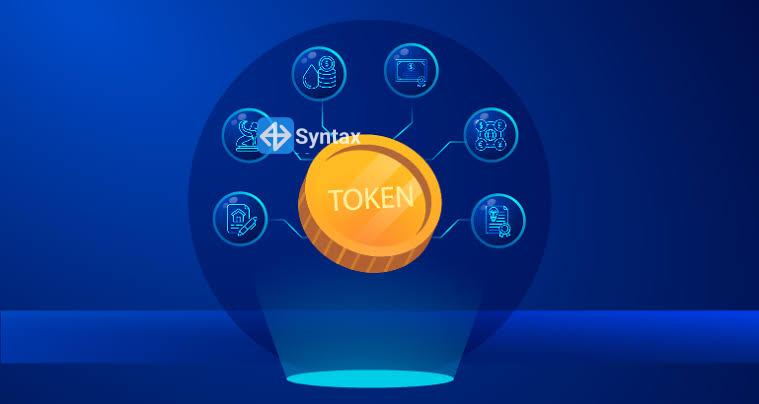
Before buying a token, research its team, token distribution, liquidity, code or audits, community activity, partnerships, and real-world use case. Never rely on a single source or influencer.
The Bigger Picture
Spotting red flags is not about predicting which crypto projects will succeed. It is about identifying reasons to slow down and investigate further.
The most important habits are simple: question unrealistic claims, verify information, understand the token, and never invest simply because others are doing it.