What Is an ICO?
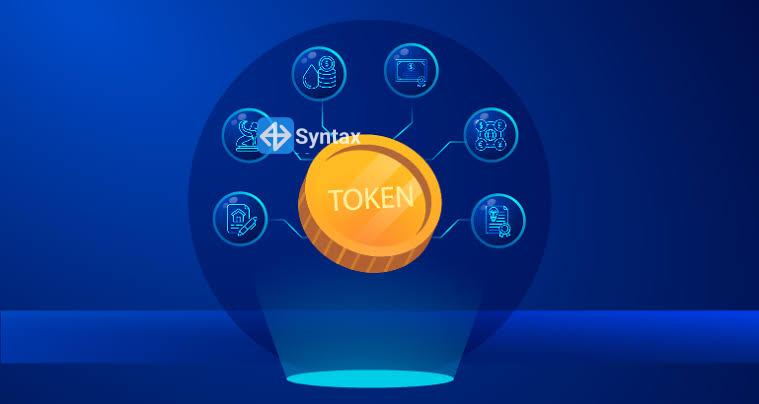
An ICO is a fundraising mechanism in which a blockchain project sells digital tokens to investors in exchange for cryptocurrency, typically Bitcoin or Ethereum. These tokens may represent access to a future platform, governance rights, or utility within a specific ecosystem.
Unlike traditional IPOs, ICOs usually do not offer equity ownership in a company. Instead, investors purchase tokens with the expectation that their value may increase as the project grows.
The Advantages of ICOs
ICOs offer several benefits. They provide startups with access to global capital without relying on banks or venture capital firms. The process can be faster and less restrictive than traditional fundraising methods. For investors, ICOs present early access to innovative projects with high growth potential.
Additionally, blockchain transparency allows transactions to be publicly verified, increasing visibility into fundraising activities.
Risks and Regulatory Concerns
Despite their advantages, ICOs carry significant risks. The lack of strict regulation in the early years led to fraudulent projects and unrealistic promises. Many investors lost funds due to poorly developed platforms or outright scams.
In response, regulators in many countries have introduced clearer rules, classifying certain token sales as securities offerings. This has improved legitimacy but also increased compliance requirements for projects.