What Are Music NFTs?
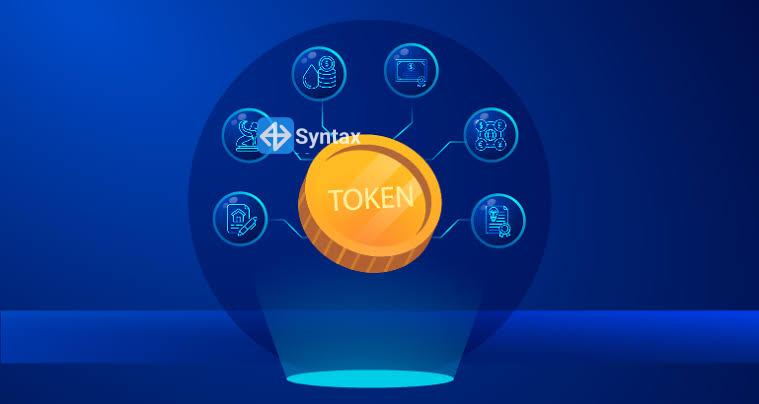
Music NFTs are blockchain-based tokens that represent ownership or access to music-related content. These can include songs, albums, concert tickets, exclusive experiences, or even royalty shares. By minting music as NFTs, artists can sell their work directly to fans without relying on traditional intermediaries like record labels or streaming platforms.
Smart contracts embedded in NFTs can also automate royalty payments, ensuring artists receive a percentage every time their work is resold.
Potential Benefits for Artists and Fans
One of the biggest advantages of music NFTs is artist empowerment. Musicians gain more control over pricing, distribution, and audience engagement. Fans, in turn, gain verifiable ownership and access to exclusive content, creating stronger connections with the artists they support.
NFTs also introduce new revenue streams, allowing artists to earn upfront income rather than relying solely on streaming payouts.
Challenges and Limitations
Despite their promise, music NFTs face hurdles. Technical complexity, environmental concerns, and market speculation can limit adoption. Many fans are unfamiliar with blockchain technology, and not all NFTs deliver lasting value beyond hype.