What Is RWA Tokenization?
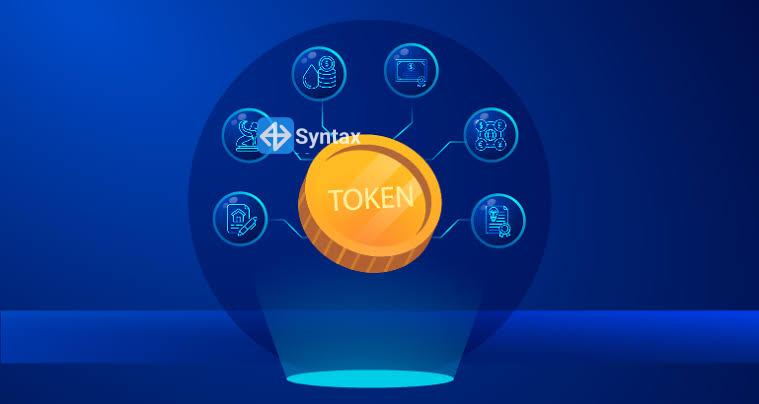
RWA tokenization is the process of bringing traditional assets onto blockchain networks. These digital tokens can represent ownership of physical or financial assets and allow them to be traded more efficiently online.
Stablecoins are essential in this process because they provide a stable settlement currency for transactions.
Why Stablecoins Are Important
Tokenized markets require reliable digital money. Stablecoins help by offering:
- Faster transaction settlement
- Cross-border payments with fewer delays
- 24/7 market access
- Smart contract automation
Their price stability makes them more practical than volatile cryptocurrencies for financial applications.
Beyond Crypto Markets
Stablecoins are now being explored for payments, remittances, treasury operations, and institutional settlements. Financial companies see them as tools for improving efficiency and reducing transaction costs.
They are becoming part of the financial system itself.
Challenges to Adoption
Regulation remains a major concern. Governments are focusing on transparency, reserves, and compliance requirements.
Blockchain scalability and interoperability also continue to be important issues for long-term growth.
The Future of Stablecoins
As tokenized assets become more common, stablecoins may become the foundation of on-chain finance. Their combination of speed, accessibility, and stability positions them as a major component of the future digital economy.