How NFTs Fit into Social Platforms
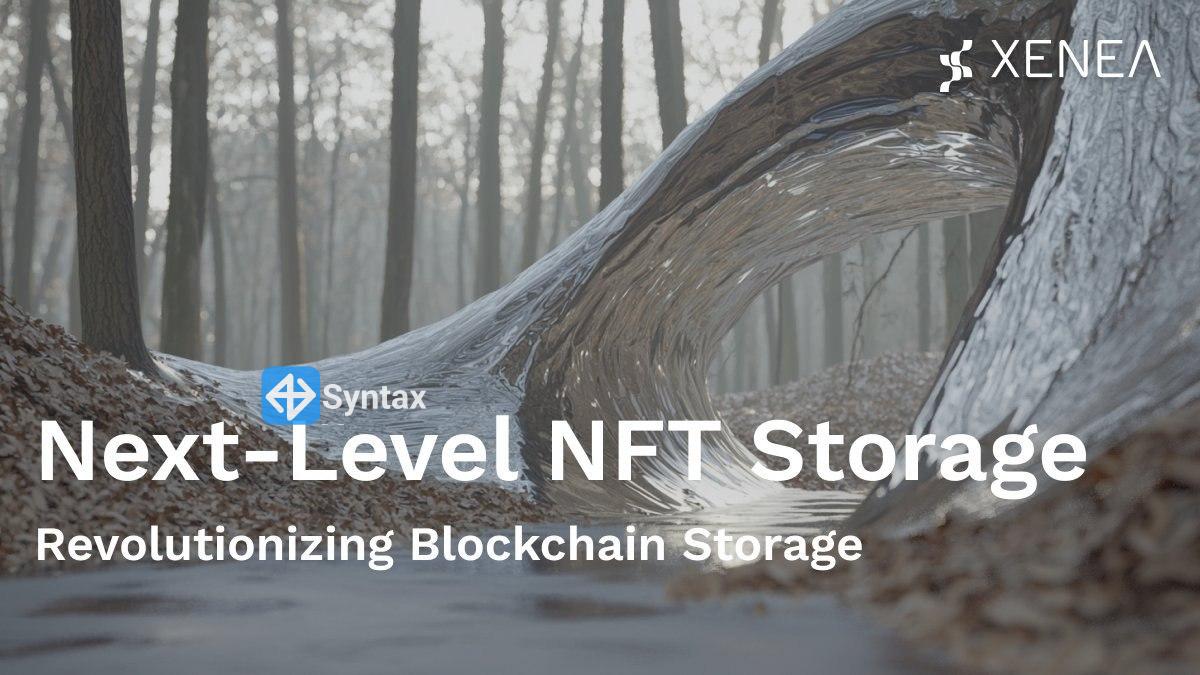
NFTs allow users to own unique digital content such as profile images, posts, videos, or collectibles. On social media, this can translate into verified creator ownership, exclusive content access, and new forms of digital identity. Instead of relying solely on platform algorithms and ads, creators can monetize directly through NFT-based memberships or limited releases.
For users, NFTs can add value by offering status, access, or participation in communities. Displaying NFTs on profiles can also serve as a form of self-expression, helping users showcase interests and support creators they believe in.
Benefits and Challenges for Users and Creators
NFT integration can strengthen creator fan relationships by rewarding engagement and loyalty. Features like token-gated content or community voting give users a more active role, turning passive scrolling into meaningful interaction. This model aligns with the broader Web3 idea of user ownership and control.
However, challenges remain. NFTs introduce technical complexity that may overwhelm casual users. Concerns around scams, accessibility, and environmental impact can also affect adoption. Social platforms must balance innovation with simplicity to avoid alienating their audiences.
The Future of NFTs in Social Media
Rather than replacing traditional social media features, NFTs are likely to enhance them. As platforms improve usability and education, NFTs could become seamless tools that empower creators and enrich user experiences. The success of this integration will depend on whether NFTs provide real value beyond novelty.
NFTs have the potential to shift social media toward more user-centric models. If implemented thoughtfully, they could help create online spaces that reward creativity, authenticity, and c
ommunity engagement.