What Are Crypto Coins?
A coin is a digital asset that operates on its own blockchain. Bitcoin, for example, runs on the Bitcoin blockchain, while Ether operates on Ethereum.
Coins are often used as a medium of exchange, a store of value, or to pay transaction fees on their native networks. Some proof-of-stake blockchains also use their native coins to help secure the network through staking.
What Are Crypto Tokens?
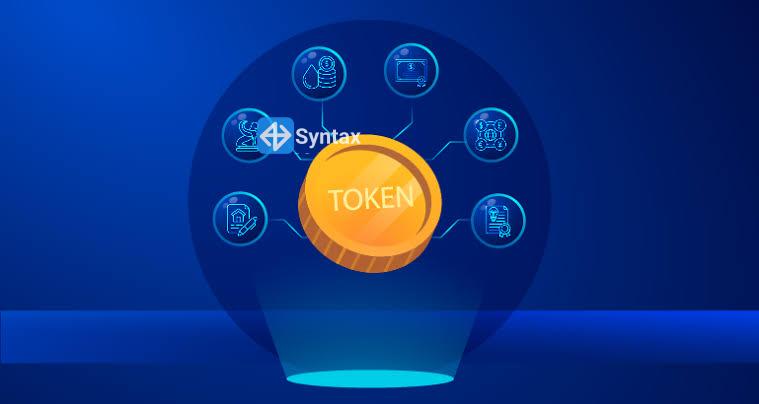
Unlike coins, tokens are generally created on an existing blockchain. Developers can use smart contracts to create tokens with different purposes.
Tokens can represent digital assets, provide access to applications, support governance, or be used within decentralized finance. A single blockchain can host thousands of different tokens with different functions.
What Are NFTs?
NFTs, or non-fungible tokens, are unique blockchain-based assets. Unlike interchangeable cryptocurrencies where one unit is generally equivalent to another of the same type, each NFT can have its own identifier and associated data.
NFTs can represent digital artwork, collectibles, tickets, memberships, in-game items, and other forms of digital or physical assets.
Why the Difference Matters
Knowing whether an asset is a coin, token, or NFT can help you understand how it works. A coin is tied to its own blockchain, while a token generally depends on another network. NFTs focus on uniqueness and ownership rather than interchangeable units.
However, the label alone doesn't determine whether an asset is useful or valuable. The project's technology, utility, adoption, supply, and risks still require careful research.
The Bigger Picture
Coins, tokens, and NFTs are different building blocks of the broader blockchain ecosystem. Each can serve different purposes, from powering networks and applications to representing unique digital assets.
Understanding these basic categories is a useful first step toward researching crypto projects and making sense of the rapidly evolving digital asset space.