What Are NFTs?
NFT stands for non-fungible token. Unlike cryptocurrencies such as Bitcoin, where individual units are generally interchangeable, each NFT has a distinct identity or set of characteristics.
NFTs are recorded on a blockchain, allowing their ownership and transaction history to be verified. Depending on the project, an NFT may link to digital artwork, music, a virtual item, or information about an asset.
However, owning an NFT does not automatically mean owning the copyright to the artwork or the physical item it represents. The rights a buyer receives depend on the terms set by the creator or project.
Beyond Digital Art and Collectibles
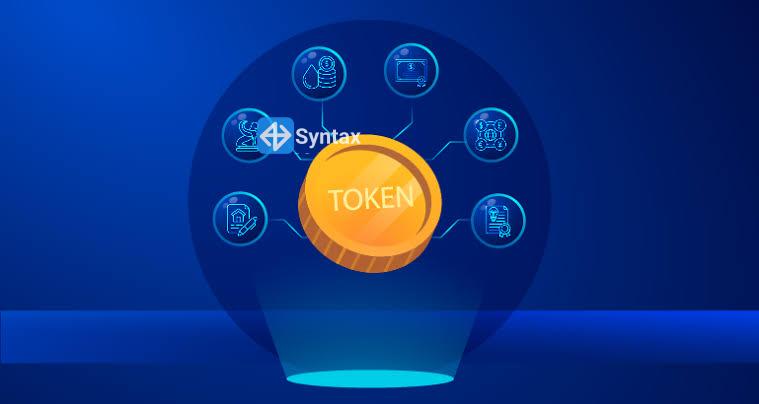
NFTs can support a variety of applications across different industries.
Gaming: Players may use NFTs to represent characters, equipment, or other in-game items. Some games allow assets to be traded, although functionality depends on the game's design.
Music and entertainment: Artists can offer limited digital collectibles, exclusive content, or special experiences to fans.
Memberships and ticketing: NFTs can serve as digital membership passes or event tickets, helping organizations manage access and verify authenticity.
Real-world asset records: NFT technology may be used to represent information connected to property, luxury goods, or other physical assets. These applications still depend on reliable records, legal agreements, and recognition outside the blockchain.
How Do NFTs Work?
NFTs are created through a process commonly called minting. A creator uses a compatible blockchain platform to issue a unique token, which can then be transferred or sold.
NFT marketplaces allow users to browse listings, connect wallets, and complete transactions. Depending on the blockchain, users may need to pay network fees.
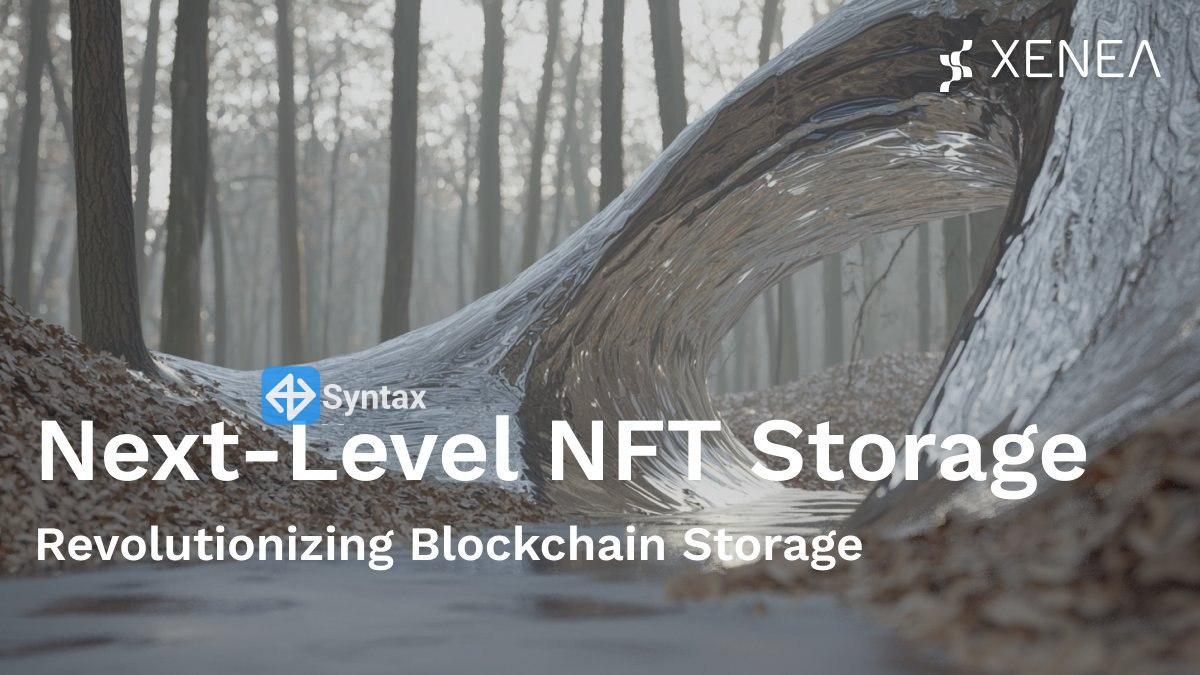
Some NFTs store their associated content directly on a blockchain, while others point to files hosted elsewhere. This distinction matters because external files or services may become unavailable even if the NFT itself remains recorded on the blockchain.
Risks and Challenges
NFTs can be speculative and may lose value quickly. Buyers may encounter fake collections, impersonation scams, misleading promises, or projects with little long-term utility.
Before purchasing, verify the collection's official source, understand the rights attached to the NFT, check transaction fees, and avoid connecting your wallet to suspicious websites.
The Bigger Picture
NFTs are evolving beyond digital art into tools for digital identity, access, gaming, entertainment, and asset representation. Their long-term usefulness will depend on practical applications, user adoption, and trustworthy infrastructure.
The real potential of NFTs lies not simply in owning a unique digital item, but in how that ownership can create useful experiences and verifiable connections between people, communities, and assets.