What Are Perp DEXs?
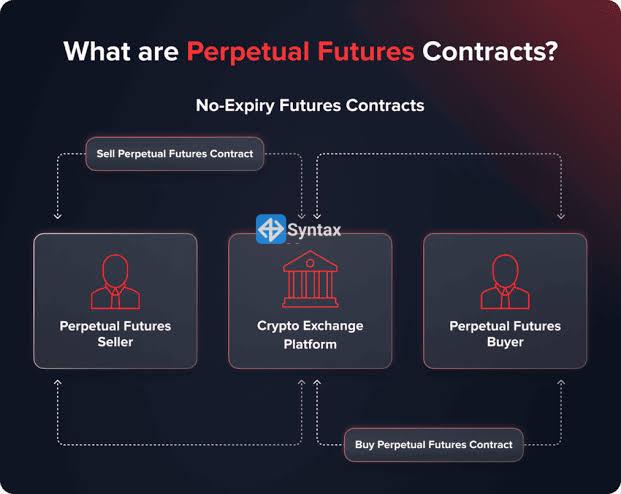
Perp DEXs are decentralized platforms that allow users to trade perpetual futures contracts directly on-chain. Instead of relying on centralized order matching systems, these platforms use smart contracts, liquidity pools, or specialized mechanisms such as virtual automated market makers (vAMMs) to facilitate trading.
Users connect their wallets and maintain custody of their funds while trading, rather than depositing assets into a centralized exchange. Positions, collateral, and liquidations are managed by smart contracts, providing transparency into how the system operates.
These platforms often focus on a smaller set of trading pairs compared to large centralized exchanges, but they aim to offer similar derivatives functionality in a decentralized environment.
Potential Advantages of Decentralized Perpetual Trading
One of the primary benefits of perp DEXs is self-custody. Traders retain control of their assets, reducing reliance on centralized platforms that may face security risks or operational failures.
Transparency is another key advantage. Because trades and positions are recorded on-chain, users can verify how the platform operates, including funding rates, liquidations, and collateral management.
Global accessibility also plays a role. Many decentralized platforms can be accessed without traditional account registration, allowing users to participate in derivatives trading directly from their wallets.
In addition, some perp DEXs are experimenting with lower fees, incentive programs, and community governance models to attract users and liquidity.
Challenges in Competing With CEXs
Despite these strengths, perp DEXs still face significant challenges. Centralized exchanges typically offer much deeper liquidity, enabling large trades with minimal slippage. This is especially important for professional traders who require efficient execution.
Speed and performance are also critical factors. On-chain transactions can be slower and subject to network fees, which may impact the trading experience compared to the near-instant execution offered by centralized platforms.
User experience remains another hurdle. While decentralized interfaces are improving, they can still feel more complex than the streamlined platforms offered by established exchanges.
Additionally, risk management systems on DEXs are still evolving. Handling liquidations and maintaining stability in volatile markets can be more complex in decentralized environments.
The Future of Derivatives Trading
Perp DEXs represent a growing effort to bring advanced financial instruments into the decentralized finance ecosystem. As blockchain scalability improves and new technologies reduce costs and increase speed, these platforms may become more competitive with centralized exchanges.
Rather than completely replacing CEXs, perp DEXs may carve out their own role in the market, appealing to users who prioritize transparency, self-custody, and decentralization. The future of derivatives trading could ultimately involve a hybrid ecosystem where both centralized and decentralized platforms coexist, each serving different needs within the evolving crypto landscape.