What Are Physical-NFT Hybrids?
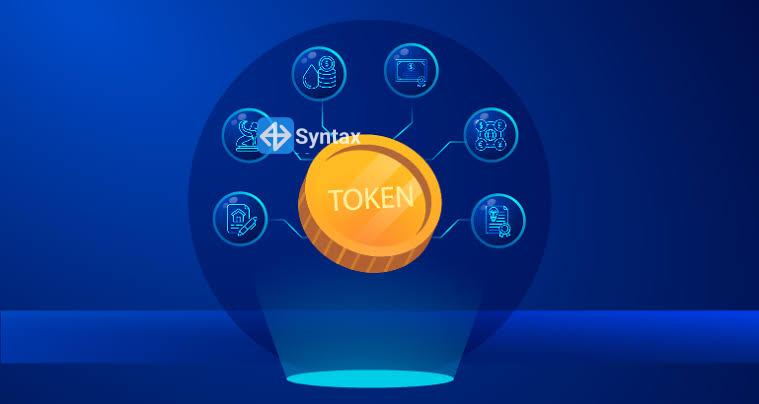
Physical-NFT hybrids are assets where a real-world item is paired with a unique NFT on a blockchain. The NFT may serve as a digital certificate of ownership, proof of authenticity, or a gateway to additional benefits associated with the item.
Examples include luxury goods, artwork, collectibles, fashion products, and limited-edition merchandise.
Benefits of Linking Physical and Digital Assets
Connecting real items to NFTs can provide several advantages:
Improved authenticity verification
Easier ownership transfers
Enhanced product traceability
Reduced risk of counterfeiting
Additional digital experiences for owners
These features can help build trust between brands, creators, and consumers.
Expanding Consumer Engagement
NFT-linked products can create new ways for owners to interact with brands. A physical item may come with access to exclusive content, community memberships, special events, or future product releases.
This allows ownership to extend beyond the item itself and become part of a broader digital ecosystem.
Challenges to Address
Despite their potential, physical-NFT hybrids face important challenges. Projects must ensure secure connections between the physical item and its corresponding NFT. Lost, damaged, or stolen products can also create ownership complications.
Clear verification processes and reliable custody systems are essential for maintaining trust.
The Future of Hybrid Ownership
Physical-NFT hybrids demonstrate how blockchain technology can bridge the gap between the physical and digital worlds. By combining real products with verifiable digital ownership, they offer new opportunities for authenticity, engagement, and value creation. As adoption grows, these hybrid models could become an increasingly common part of commerce, collecting, and brand experiences.