What Are Real-World Asset NFTs?
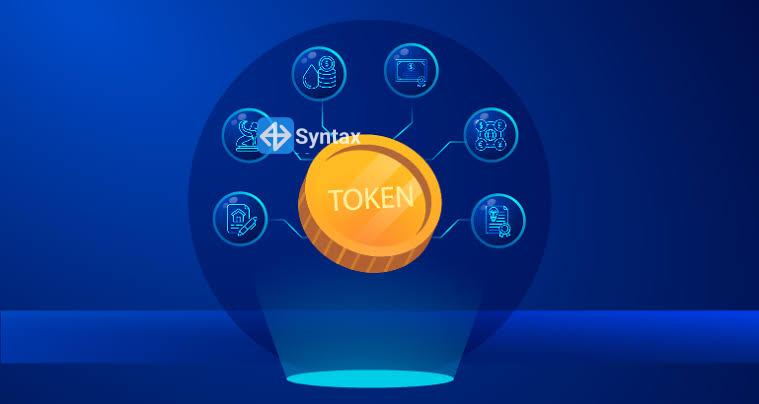
Real-World Asset NFTs are blockchain-based tokens that represent ownership of physical or traditional financial assets. Unlike purely digital NFTs such as artwork or collectibles, RWA NFTs are tied to tangible items or legal rights. For example, a property deed, a rare painting, or even a share of a business can be tokenized and recorded on a blockchain.
The NFT acts as a digital certificate of ownership, providing transparency, traceability, and the ability to transfer ownership more efficiently.
The Benefits of Tokenization
Tokenization offers several compelling advantages. First, it increases liquidity. Traditionally illiquid assets like real estate can be divided into fractional ownership, allowing more people to invest with smaller amounts of capital.
Second, blockchain records provide transparency and reduce the need for intermediaries. Smart contracts can automate transactions, cutting costs and speeding up processes such as property transfers or royalty payments.
Finally, global accessibility allows investors from around the world to participate in markets that were previously limited by geography or high entry barriers.
The Challenges and Limitations
Despite its promise, tokenizing everything is not straightforward. Legal recognition is a major hurdle. Ownership recorded on a blockchain must align with real-world legal systems to be enforceable. Without proper regulation and legal frameworks, disputes could arise over the validity of tokenized ownership.
There are also technical and security risks. Smart contract vulnerabilities, regulatory uncertainty, and custody challenges could undermine trust in tokenized assets.