What Are Stablecoins?
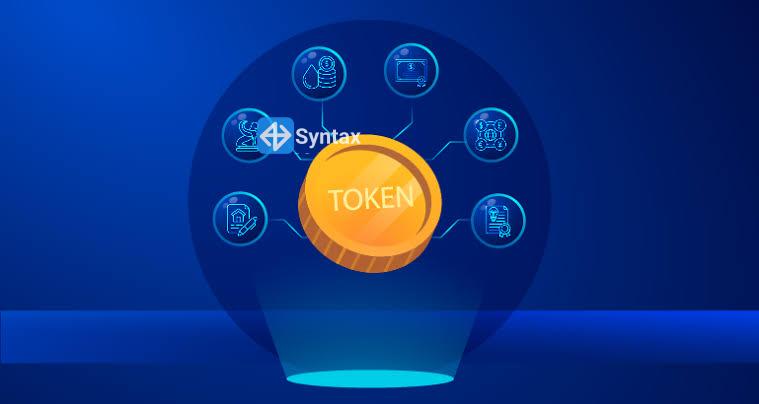
Stablecoins are digital assets designed to maintain a target value. Many are backed by reserves of cash or short-term financial assets, while others use crypto collateral or algorithms to help maintain their peg.
Popular examples include USDT and USDC, which aim to track the US dollar. However, a stablecoin's value is not guaranteed, and different projects have different reserve arrangements, risks, and levels of transparency.
How Traders Use Stablecoins
On exchanges, stablecoins are commonly used as trading pairs. For example, a trader may sell Bitcoin for a dollar-pegged stablecoin during a period of uncertainty, then use that stablecoin to purchase another cryptocurrency later.
Stablecoins can also make it easier to compare prices, transfer value between supported platforms, and avoid converting funds into traditional currency for every trade.
However, moving into stablecoins does not eliminate all risk. Prices can still move sharply, and trading fees or withdrawal costs may affect the final amount received.
Benefits and Risks to Consider
One major advantage of stablecoins is that they can reduce exposure to the price swings of assets such as Bitcoin and other altcoins. They can also offer convenient access to crypto markets around the clock.
Still, traders should understand the risks. A stablecoin may lose its peg, its issuer may face financial or regulatory problems, and transactions can be affected by network congestion or platform restrictions. Holding stablecoins on an exchange also introduces custodial risk.
The Bigger Picture
Stablecoins have become important tools for crypto trading because they provide a relatively steady reference point in volatile markets. They can help traders manage positions and move between digital assets more conveniently.
Before choosing one, research its reserves, issuer, redemption policies, liquidity, and availability on your exchange. Stablecoins can support a risk-management strategy, but they should not be treated as completely risk-free.