Supply Matters
Supply refers to how many tokens exist and how they enter circulation. Some cryptocurrencies have a fixed maximum supply, while others can continue creating new tokens.
A limited supply can create scarcity, but scarcity alone doesn't guarantee value. If there is little demand for a token, even a small supply may not make it valuable.
Demand Drives Interest
Demand comes from people wanting to buy or use a cryptocurrency. This can be influenced by factors such as network adoption, real-world utility, investor interest, and activity within an ecosystem.
For example, a token that is required to pay network fees or access applications may have practical demand. Growing usage can potentially increase demand, although it does not guarantee a higher market price.
Understanding Tokenomics
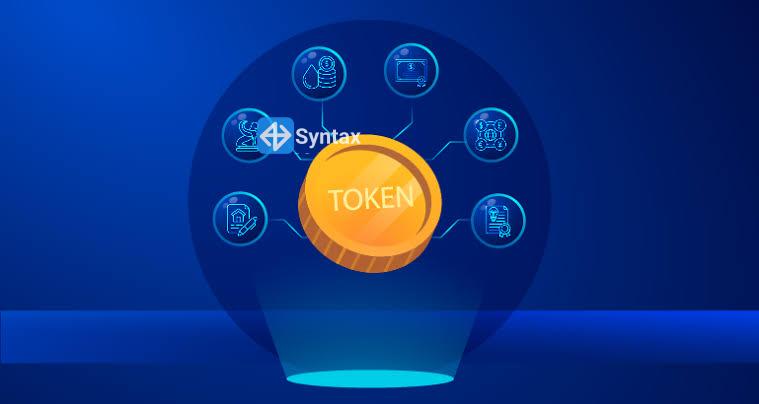
Tokenomics describes how a cryptocurrency's supply and economic design work. Important factors include total supply, circulating supply, distribution, token utility, staking rewards, and future token unlocks.
It's also worth examining who owns the tokens. If a large percentage is controlled by a small group, future selling activity could affect the market.
Scarcity vs. Utility
A token can be scarce but still have limited usefulness. On the other hand, a token with strong utility may face pressure if its supply grows much faster than demand.
The relationship between supply and demand is therefore more important than looking at either factor alone.
The Bigger Picture
Understanding tokenomics can help you look beyond a cryptocurrency's current price. A low-priced token isn't automatically undervalued, and a high-priced token isn't necessarily expensive when considering its total supply.
Before evaluating a crypto project, examine how many tokens exist, how they are distributed, what they are used for, and where future demand could come from. Good tokenomics doesn't guarantee success, but it can reveal important information about a project's economic structure.