From Centralized Exchanges to DeFi
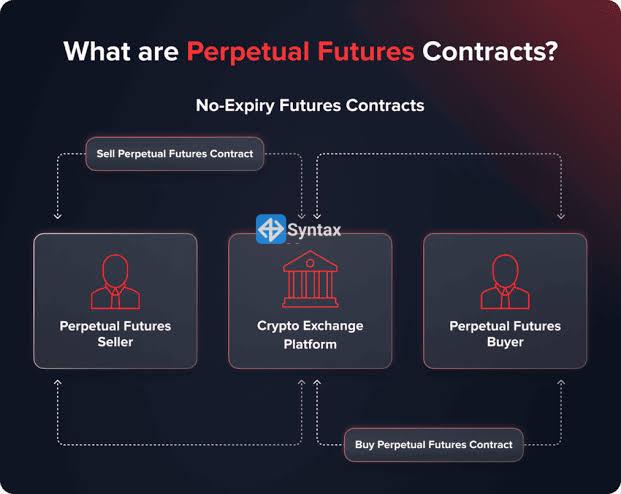
Centralized exchanges act as intermediaries that manage user funds, transactions, and order matching.
On-chain protocols, often powered by decentralized finance (DeFi), allow users to trade directly through smart contracts without relying entirely on centralized institutions.
Why On-Chain Trading Matters
On-chain trading systems can provide several advantages:
- Greater transparency
- Direct asset ownership
- 24/7 global market access
- Reduced dependence on intermediaries
Users maintain more control over their assets while transactions are recorded on public blockchain networks.
Expanding Use Cases
On-chain protocols are increasingly used for token swaps, lending, derivatives, prediction markets, and automated market making.
The growth of decentralized finance is helping create a broader ecosystem of blockchain-based financial services.
Challenges Ahead
Scalability, transaction fees, and user experience remain important challenges.
Security risks, smart contract vulnerabilities, and evolving regulations may also affect adoption.
The Future of Financial Trading
As blockchain infrastructure improves, on-chain trading could become a larger part of global finance. While centralized exchanges are likely to remain important, decentralized protocols may continue driving innovation in transparency, accessibility, and financial ownership.