Moving Beyond Transactions
Early blockchain use cases centered on transferring value. While this remains important, it is no longer the sole driver of innovation. Developers are now building layers that support data storage, computation, identity, and interoperability.
These components expand what blockchain networks can do, enabling more complex and practical use cases.
The Rise of Core Infrastructure
Key areas of growth include layer-2 scaling solutions, decentralized data networks, and cross-chain connectivity. These technologies improve speed, reduce costs, and allow different blockchains to communicate more effectively.
Reliable infrastructure makes it easier for developers to build applications that can reach mainstream users.
Real-World Applications
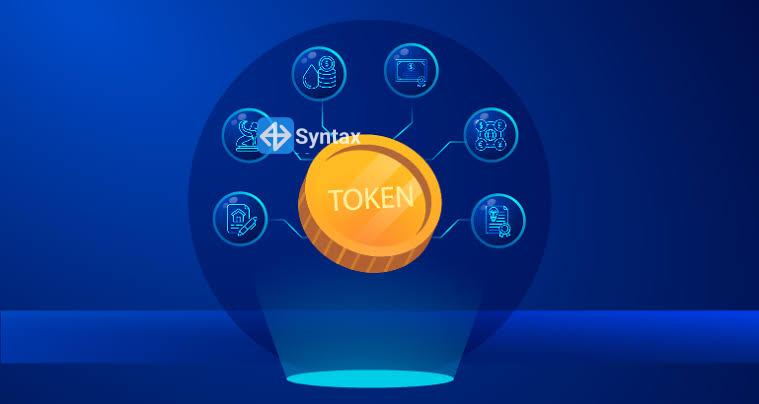
As infrastructure improves, real-world adoption becomes more viable. Use cases such as decentralized finance, digital identity systems, and tokenized assets rely on strong underlying networks.
Better infrastructure also enhances user experience, making crypto products more accessible and intuitive.
Challenges to Overcome
Despite progress, infrastructure development faces challenges. Security risks, technical complexity, and fragmentation across ecosystems can slow adoption.
Coordinating standards and ensuring reliability at scale will be critical for continued growth.
Building the Next Phase of Crypto
The shift toward infrastructure-driven growth signals a more mature industry. Rather than relying on hype cycles, the future of crypto may be defined by the strength of its underlying systems.
As these foundations improve, crypto has the potential to move beyond transactions and become a core part of global digital infrastructure.