Greater Mainstream Adoption
Over the next decade, cryptocurrency is likely to become more integrated into everyday financial systems. Businesses may increasingly accept digital payments, while financial institutions could expand crypto-related services such as custody, trading, and lending. Improved user interfaces and clearer regulations may also make crypto more accessible to the average person.
Central Bank Digital Currencies (CBDCs) could coexist alongside decentralized cryptocurrencies, blending traditional finance with blockchain innovation.
Improved Scalability and Technology
One of the biggest barriers to mass adoption today is scalability. In the coming years, advancements in blockchain technology, such as Layer 2 solutions and more efficient consensus mechanisms are expected to increase transaction speeds and reduce costs.
Smart contracts may also become more sophisticated, supporting complex decentralized applications in finance, gaming, healthcare, and supply chain management.
Regulation and Institutional Influence
Regulation will play a major role in shaping crypto’s future. Clearer legal frameworks could bring stability and investor confidence, but excessive restrictions might slow innovation. Institutional participation is also likely to increase, potentially reducing volatility but changing the decentralized nature of the ecosystem.
Evolving Use Cases
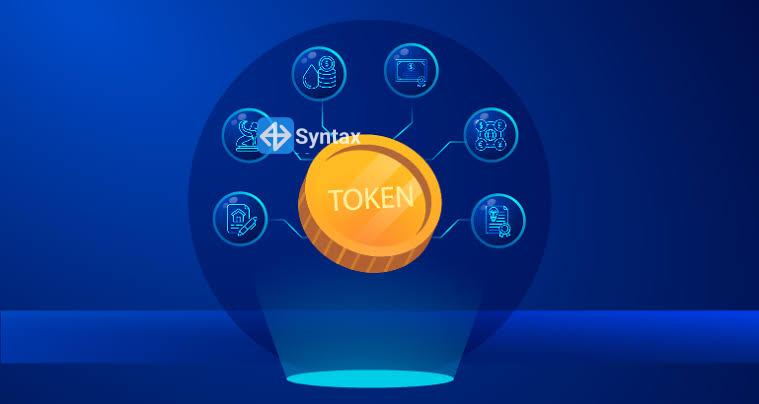
Beyond digital payments and speculation, cryptocurrency could power decentralized finance, digital identity systems, tokenized assets, and global cross-border payments. The next decade may see blockchain technology integrated into industries far beyond finance.