Transforming Ownership and Distribution
At the core of NFTs is the concept of provable ownership. In industries such as art, music, and entertainment, NFTs allow creators to sell directly to audiences without relying heavily on intermediaries. Smart contracts can automate royalties, ensuring creators earn from future resales something that is difficult to enforce in traditional systems.
This direct to consumer model has the potential to reshape distribution channels. Instead of centralized platforms controlling access and revenue, creators gain more control over pricing, scarcity, and engagement. This shift challenges long-standing business models built around gatekeepers.
Expanding Beyond Creative Industries
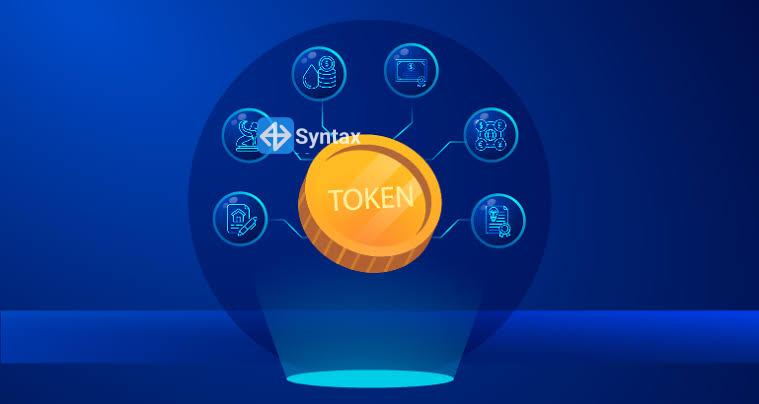
The impact of NFTs extends beyond digital art and media. Industries like gaming, real estate, fashion, and ticketing are experimenting with NFT-based systems. In gaming, NFTs can represent in-game assets that players truly own. In ticketing, they can reduce fraud and enable verified resale markets.
However, disruption is not guaranteed. Regulatory uncertainty, scalability limitations, and fluctuating market demand can slow adoption. Traditional industries also have established infrastructures and legal protections that NFTs must compete with or integrate into.
Evolution Rather Than Replacement
While NFTs introduce innovative possibilities, they are more likely to reshape industries than completely replace them. Hybrid models are emerging, where blockchain-based ownership works alongside existing frameworks. Businesses are exploring how to incorporate NFTs without abandoning proven systems.
The long-term impact of NFTs will depend on practical use cases and sustained value beyond speculation. If implemented thoughtfully, NFTs could redefine ownership, distribution, and engagement across multiple sectors, marking a significant shift in how industries operate in the digital age.