1. Blockchain and Cryptocurrency
Blockchain: A digital ledger that records transactions across a distributed network.
Cryptocurrency: A digital asset that uses cryptography and blockchain technology.
Bitcoin (BTC): The first widely adopted decentralized cryptocurrency.
Altcoins: Cryptocurrencies other than Bitcoin.
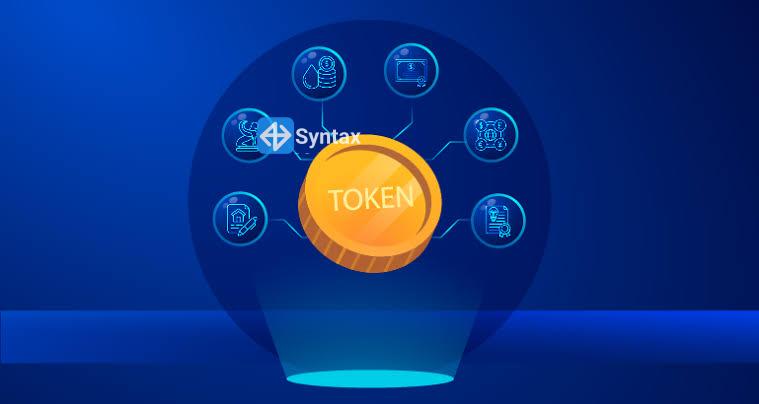
Token: A digital asset created on an existing blockchain.
2. Trading and Market Terms
Market Capitalization: The total market value of a cryptocurrency's circulating supply.
Trading Volume: The amount of an asset traded during a specific period.
Liquidity: How easily an asset can be bought or sold without significantly affecting its price.
Bull Market: A period when prices generally trend upward.
Bear Market: A period when prices generally trend downward.
Volatility: How quickly and significantly an asset's price changes.
3. Wallets and Security
Crypto Wallet: A tool for managing the keys used to access digital assets.
Private Key: A secret credential that authorizes transactions.
Public Address: An address used to receive cryptocurrency.
Seed Phrase: A recovery phrase that can restore access to a wallet.
Cold Wallet: A wallet kept offline for additional protection.
Never share your private key or seed phrase with anyone.
4. Important Blockchain Concepts
DeFi: Decentralized financial services built using blockchain technology.
NFT: A unique digital token recorded on a blockchain.
Staking: Locking or delegating cryptocurrency to participate in a Proof-of-Stake network.
Gas Fees: Transaction or execution fees paid on certain blockchain networks.
Smart Contract: A program that automatically executes predefined conditions.
5. Investment and Risk Terms
Tokenomics: The economic structure governing a token's supply, distribution, and utility.
HODL: Crypto slang for holding an asset rather than selling it.
FOMO: Fear of missing out, which can lead to emotional investment decisions.
DYOR: Do Your Own Research before investing.
Rug Pull: A scam where project insiders abandon a project and take investors' funds.
The Bigger Picture
Learning crypto terminology is an important first step toward becoming a more informed investor. Understanding these concepts helps you interpret market information, evaluate projects, and recognize potential risks.