What Does Real Crypto Utility Look Like?
A cryptocurrency has real utility when it serves a practical purpose within a functioning ecosystem. Its value comes not just from its market price but also from what people can actually use it for.
Bitcoin, for example, provides a decentralized payment network that allows users to transfer value without relying on a traditional banking intermediary. Ethereum supports smart contracts and decentralized applications, creating infrastructure for services such as decentralized finance, gaming, and digital asset management.
Other projects focus on cross-border payments, blockchain infrastructure, digital identity, supply chain tracking, and tokenized assets.
These examples demonstrate how blockchain technology can offer solutions beyond simple cryptocurrency trading.
Recognizing Empty Hype
Not every project with an attractive website, popular social media account, or impressive roadmap has a sustainable purpose.
Some warning signs include unrealistic profit promises, exaggerated partnerships, anonymous teams with no verifiable track record, and tokens that have little practical use. Projects may also create artificial excitement through influencer promotions and aggressive marketing without demonstrating actual adoption.
Another common problem is confusing a rising token price with genuine success. A cryptocurrency can experience rapid price growth because of speculation, even when its technology or user base remains underdeveloped.
How to Evaluate a Crypto Project
Before investing time or money in a project, consider asking a few important questions:
What problem does it solve? Look for a clear purpose rather than vague promises.
Does the technology work? Check whether the project has a functioning product or platform.
Is there real adoption? Examine active users, partnerships, ecosystem activity, and practical applications.
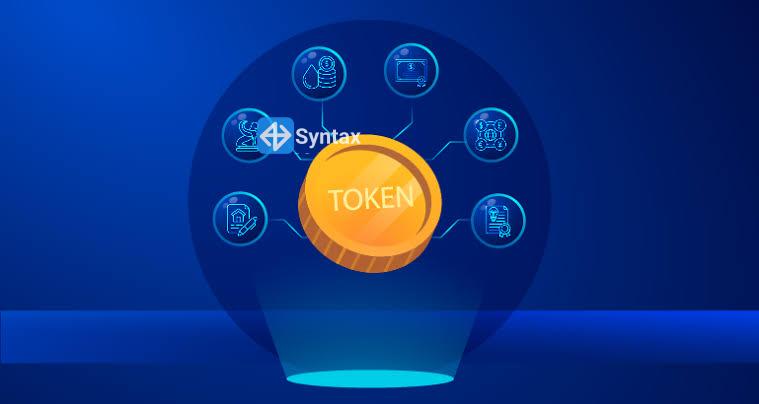
Does the token have a purpose? Understand its utility, supply, distribution, and economic model.
Is the team transparent? Research the developers, documentation, security audits, and project history.
Independent research is important. Never rely entirely on promotional content, online influencers, or community excitement when evaluating a cryptocurrency.
Why Utility Matters for Long-Term Growth
Projects with practical applications may have stronger foundations because their ecosystems can attract users through actual demand rather than speculation alone.
However, utility does not guarantee investment success. Even useful technologies can struggle with competition, poor execution, regulatory challenges, or weak economic models.
The strongest projects generally need a combination of useful technology, sustainable tokenomics, security, active development, and long-term adoption.
The Bigger Picture
Cryptocurrency offers genuine technological possibilities, but the market also contains projects driven primarily by hype. Understanding this distinction helps investors avoid unnecessary risks and focus on developments that provide meaningful value.