More Than Just a Digital Asset
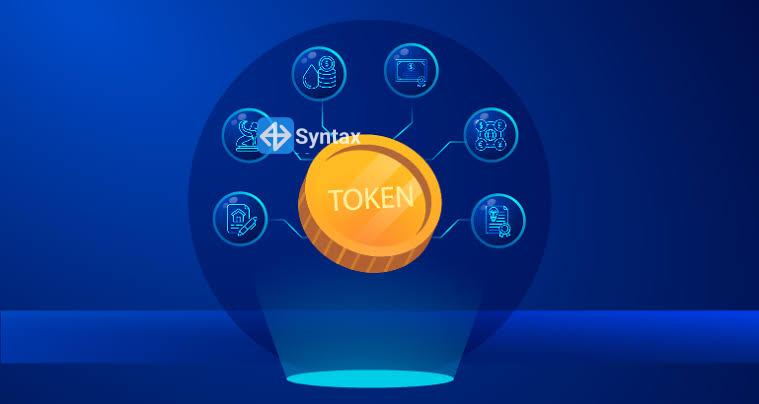
A useful cryptocurrency typically serves a specific role. Tokens can be used for payments, accessing services, securing networks, participating in governance, or rewarding users.
For example, some blockchain networks use tokens to pay transaction fees, while others allow holders to vote on protocol decisions or participate in decentralized applications.
Supporting Blockchain Networks
Many cryptocurrencies have utility because they help operate their underlying networks. In proof-of-stake systems, tokens can be used for staking, allowing participants to help secure the blockchain while earning rewards.
This creates a connection between the token and the health of the network rather than relying only on market demand.
Access, Governance & Ecosystem Growth
Tokens can also provide access to products and services. In decentralized finance (DeFi), tokens may be used for lending, borrowing, liquidity incentives, or protocol governance.
Governance tokens allow communities to participate in decisions about upgrades, treasury management, and future development. However, their effectiveness depends on participation and how voting power is distributed.
Evaluating Real Utility
When researching a cryptocurrency, it is important to ask:
What problem does the token solve?
Is there actual demand for its use?
Does the ecosystem have active users and development?
Could the project function without the token?
A token with strong marketing but little practical use may struggle to maintain long-term relevance.
The Bigger Picture
Token utility is one of the key factors that separates a functional blockchain project from a purely speculative asset.
A cryptocurrency becomes more valuable when it creates real-world use, network participation, and sustainable demand. Understanding utility helps investors look beyond price movements and focus on what a project is actually building.