What Tokenization Means
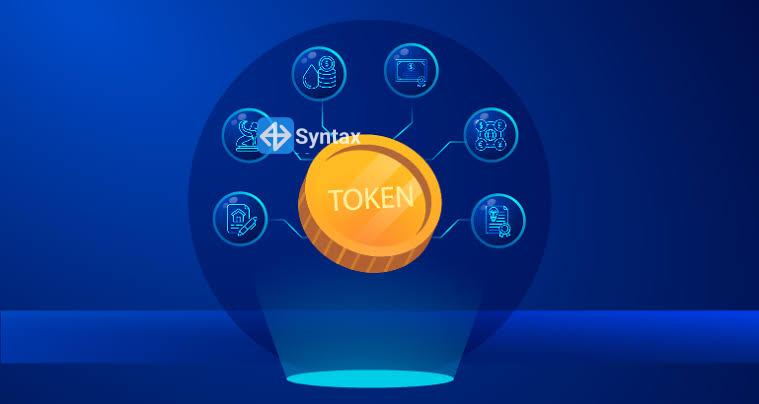
Tokenization converts ownership rights of traditional assets into blockchain-based tokens. These tokens can represent shares, bonds, or other securities while maintaining their underlying legal value.
This creates a bridge between traditional finance and digital infrastructure.
Why TradFi Is Interested
Blockchain offers faster settlement, lower transaction costs, and improved transparency. Instead of relying on multiple intermediaries, tokenized assets can be transferred directly on-chain.
This reduces inefficiencies in legacy systems.
Benefits for Markets
24/7 trading potential: Markets are no longer limited by traditional hours
Fractional ownership: Smaller investors can access high-value assets
Real-time settlement: Faster execution and reduced counterparty risk
These advantages can expand market participation.
Challenges to Adoption
Regulation remains the biggest hurdle. Securities laws, compliance standards, and cross-border rules must align with blockchain-based systems.
Institutions also need reliable custody and secure infrastructure.
The Future of Financial Assets
Tokenized bonds and equities represent a major step in blockchain adoption by traditional finance. While challenges remain, the shift signals that financial markets are moving toward more efficient, accessible, and digital-first systems.