What Is Tokenized Real Estate?
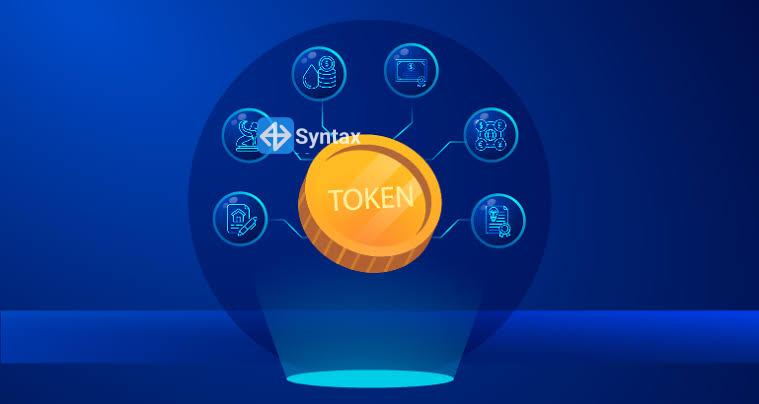
Tokenized real estate converts property ownership into digital tokens recorded on-chain. These tokens can represent fractional shares, giving investors access to real estate without purchasing an entire property.
This lowers barriers to entry.
Why It’s Gaining Attention
On-chain transactions can streamline property transfers, reduce costs, and improve transparency. Smart contracts automate ownership changes, rental payments, and compliance processes.
Efficiency becomes a major advantage.
Key Benefits
- Fractional ownership for broader participation
- Faster settlements compared to traditional methods
- Global access to investment opportunities
These features make real estate more accessible.
Challenges to Mainstream Adoption
Regulatory uncertainty, legal recognition of tokenized ownership, and integration with existing property laws remain major hurdles. Trust in platforms and asset valuation standards also needs to mature.
Adoption depends on infrastructure.
A New Era for Property Markets
Tokenized real estate has the potential to modernize one of the world’s largest industries. If legal and technical challenges are addressed, on-chain transactions could become a mainstream way to buy and invest in property.