What Are Cryptocurrency Coins?
Coins are digital assets that operate on their own blockchain. They are often used to transfer value, pay transaction fees, or help secure a network.
For example, Bitcoin (BTC) operates on the Bitcoin blockchain, while Ether (ETH) is the native asset of Ethereum. Other examples include Solana (SOL) and Litecoin (LTC).
Depending on the network, coins may be used to pay for transactions, participate in staking, or support network operations. Their value can depend on factors such as adoption, demand, utility, scarcity, and market sentiment.
What Are Cryptocurrency Tokens?
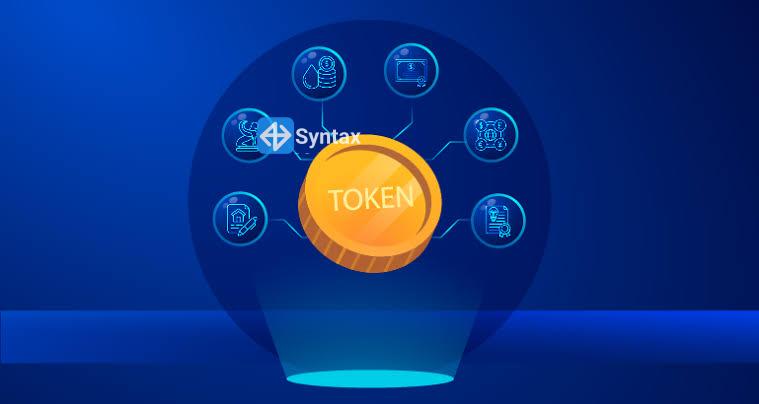
Tokens are digital assets created on an existing blockchain rather than operating on their own independent network. They often rely on smart contracts to manage how they are issued and transferred.
For example, many tokens operate on Ethereum using standards such as ERC-20. Tokens can represent governance rights, provide access to a service, support decentralized finance applications, or represent digital collectibles and other assets.
Stablecoins such as USDC can also exist as tokens on multiple blockchains. Their value and functionality depend on the issuer, underlying arrangements, and network used.
Why Does the Difference Matter?
The distinction can affect how you use and manage your crypto.
Transaction fees: Coins are commonly used to pay network fees. If you hold a token on Ethereum, for example, you generally need ETH to pay gas fees for transactions on that network. A token balance alone may not be enough to move your assets.
Network compatibility: Tokens exist on particular blockchain networks. Sending a token to an incompatible address or selecting the wrong network when transferring funds can result in delays or permanent loss.
Project evaluation: Knowing whether an asset is a coin or token helps you understand its technical foundation, purpose, and potential dependencies. However, this distinction alone does not determine whether an investment is good or bad.
Common Mistakes to Avoid
Beginners sometimes buy tokens without considering network fees, assume every token has independent blockchain infrastructure, or transfer assets using an unsupported network.
Before making a transaction, confirm the token's official contract address, verify the receiving platform supports the selected network, and check all fees. Never rely solely on a token's name or logo, as fraudulent assets can imitate legitimate projects.
The Bigger Picture
Coins and tokens are both important parts of the crypto ecosystem, but they serve different roles. Coins power their native blockchains, while tokens use existing blockchain infrastructure to provide additional functions.
Understanding what you own, which network it uses, and how its fees work can help you avoid costly mistakes and navigate crypto with greater confidence.