What Is Tokenomics?
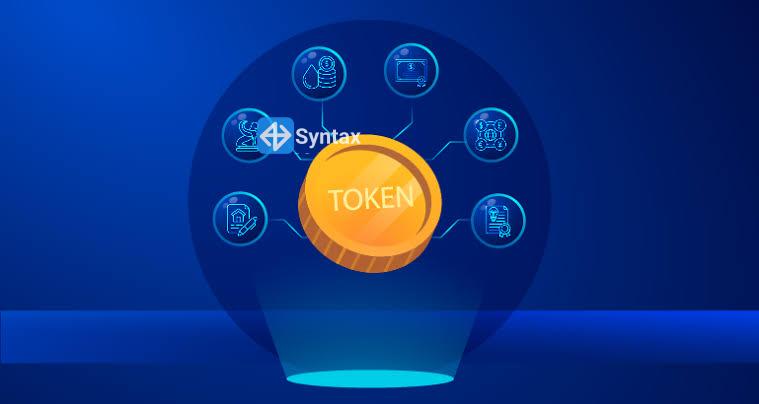
Tokenomics combines the words token and economics. It describes the supply, demand, distribution, and utility of a digital asset within a blockchain project.
Every cryptocurrency project can have a different economic model. Some tokens have a fixed maximum supply, while others allow new tokens to be created over time. Certain projects also introduce burning mechanisms that permanently remove tokens from circulation.
These decisions can influence scarcity, demand, and the long-term economic sustainability of a project.
Understanding Token Supply
Token supply is one of the first things investors should examine. There are three important terms to understand:
Circulating supply: The number of tokens currently available in the market.
Total supply: The number of tokens that have already been created, excluding permanently burned tokens.
Maximum supply: The highest number of tokens that can ever exist, if the project has a defined limit.
A project may have a relatively low token price but an enormous supply. This is why looking only at the price of one token can be misleading. Market capitalization and fully diluted valuation (FDV) provide additional context when evaluating a project's size and potential dilution.
Token Distribution and Vesting
Another important factor is how tokens are distributed. Check how much is allocated to the development team, early investors, public buyers, community rewards, and ecosystem development.
Pay attention to vesting schedules, which determine when allocated tokens become available. Large token unlocks can increase selling pressure if recipients decide to sell their holdings.
A project with heavily concentrated ownership may also face risks if a small number of wallets control a significant portion of its supply.
Utility: What Is the Token Actually Used For?
A token should have a clear purpose within its ecosystem. It may be used for transaction fees, staking, governance, accessing platform services, or participating in decentralized applications.
However, having multiple use cases does not automatically make a token valuable. Investors should examine whether the utility creates genuine demand and whether the project has actual users.
Red Flags to Watch Out For
Be cautious of projects with unclear token distribution, unrealistic reward promises, unlimited supply without a clear economic explanation, or large allocations controlled by insiders.
Also, avoid relying entirely on marketing claims. Review the project's whitepaper, token documentation, smart contract details, and independent research whenever possible.
The Bigger Picture
Tokenomics plays an important role in understanding how a cryptocurrency project operates and whether its economic model can support long-term development.
Supply, distribution, vesting, utility, and demand all contribute to a token's economic structure. None of these factors can guarantee future price performance, but examining them can help investors make better-informed decisions.