Shifting Power from Platforms to Creators
Traditional content platforms often act as intermediaries, controlling distribution, monetization policies, and audience access. Algorithms determine visibility, and revenue models frequently favor the platform over the creator. Web3 aims to change this dynamic by enabling creators to publish and monetize content directly through blockchain-based systems.
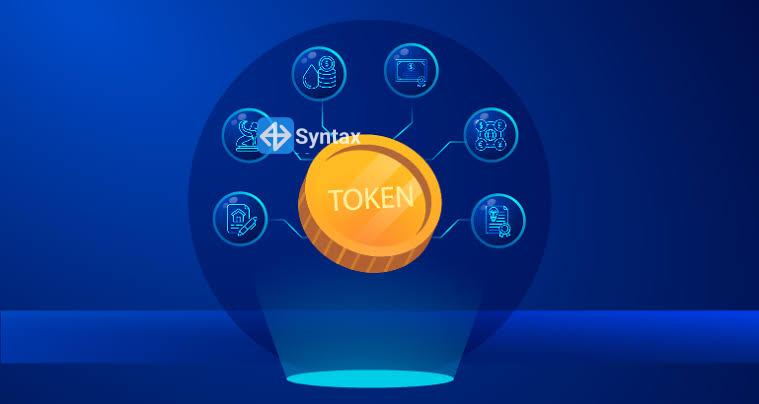
Through tokenization, NFTs, and decentralized applications, creators can sell digital assets, offer membership access, or build community-driven ecosystems. Smart contracts can automate payments and royalties, ensuring creators are compensated transparently and consistently. This reduces reliance on centralized entities and increases creative independence.
New Monetization Models and Community Ownership
Web3 introduces innovative monetization strategies. Instead of relying solely on advertising or sponsorships, creators can issue tokens that grant access to exclusive content, voting rights, or special experiences. Supporters become stakeholders, fostering stronger and more engaged communities.
However, this new landscape also brings challenges. Technical complexity, market volatility, and regulatory uncertainty can create barriers to entry. Building and managing a token-based community requires careful planning and long-term commitment, which may not suit every creator.
A New Era or an Evolution?
Web3 may not completely replace traditional content platforms, but it offers powerful alternatives. Hybrid approaches are already emerging, where creators use both centralized and decentralized tools to diversify income and reach wider audiences.
Ultimately, Web3 expands the possibilities for ownership and monetization. Whether it fully rewrites the rules or simply reshapes them, it is opening doors for creators to gain more control over their work and the communities they build.